Every pet owner hits that moment when dog outfits start feeling overpriced, poorly made, or just… generic. Meanwhile, a drawer full of baby clothes sits untouched, full of soft fabrics and cute patterns. Upcycling baby clothes into dogwear solves both problems at once. It’s budget-friendly, eco-conscious, and surprisingly easy.
This guide walks you through how to turn baby onesies, shirts, and sleepers into perfectly fitted, comfortable outfits for your dog. You’ll learn what materials work best, how to size clothes correctly, and how to make simple adjustments so the finished piece looks intentional, not like a last-minute costume.
By the end, you’ll be able to create custom dog apparel with personality, comfort, and a touch of nostalgia.
Why Upcycling Baby Clothes Works for Dogs
Dogwear doesn’t need to be complicated. Baby clothes already come in soft fabrics, forgiving cuts, and playful designs that translate beautifully onto small and medium dogs. A baby onesie can become a warm shirt. A sleeper can turn into a winter pajama. Even a tiny toddler hoodie can serve as a lightweight coat.
The biggest advantage is comfort. Baby clothes are made with gentle seams, breathable cotton, and stretchy openings that won’t rub or irritate your dog’s skin. Instead of stiff, mass-produced dog outfits, your pet gets something cozy and natural. Add the bonus of reducing textile waste, and it’s a win all around.
What Baby Clothes Work Best for Upcycling
Some garments upcycle better than others. Stick with simple cuts and fabric that stretches. Good options include:
- Cotton onesies (ideal for shirts and lightweight layers)
- Sleepers or footed pajamas (winter pajamas for dogs)
- Stretchy baby leggings (excellent for dogs with long torsos)
- Tiny hoodies (pet jackets with almost no modifications)
- Baby t-shirts and rompers
Avoid anything with thick seams, stiff embroidery, or scratchy interior patches. Dogs notice textures more than we think, and comfort determines whether they’ll actually wear the piece long-term.
Tools and Materials You’ll Need
Most of the work uses items you already have. Gather:
- Baby clothes (cleaned and scent-free)
- Scissors (fabric scissors preferred)
- Needle and thread or fabric glue
- Elastic or ribbing (optional for tightening openings)
- Measuring tape
- Pins or clips
- Optional add-ons: small snaps, Velcro, soft trims
This craft doesn’t demand sewing skills. Even hand-stitching or glue-based adjustments work for casual dogwear.
Taking Your Dog’s Measurements
Accurate sizing makes the difference between a snug fit and something your dog tries to wriggle out of. Measure:
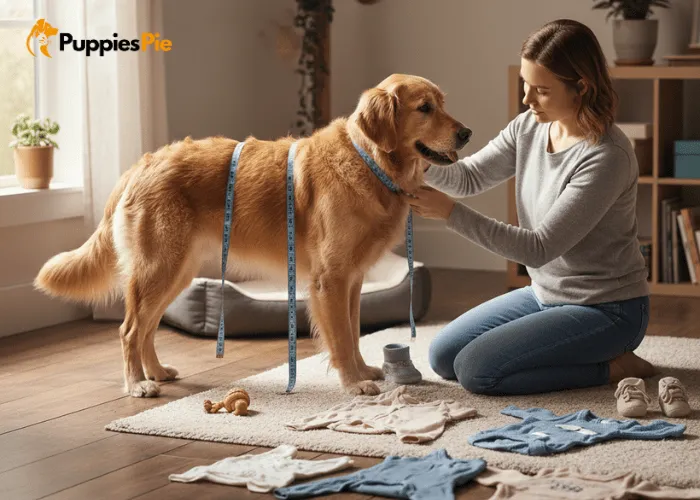
- Neck circumference
- Chest (widest part around ribs)
- Length from base of neck to tail
- Leg height (if sleeves matter)
Keep these numbers handy and compare them with the baby clothing you want to use. Most newborn to 12-month garments fit small to medium dogs, while toddler sizes work for bigger breeds.
Step-by-Step Guide to Upcycling Baby Clothes into Dogwear
Below is a practical, beginner-friendly way to transform your child’s old clothes into something wearable for your dog.
Step 1 – Choose the Right Garment for the Right Purpose
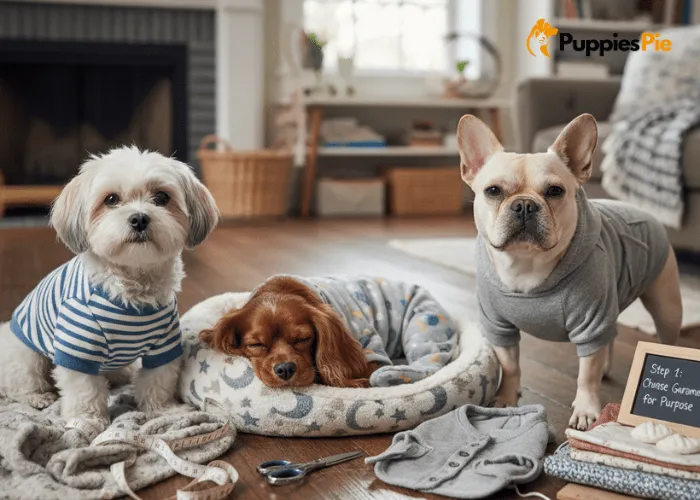
Think about what you want the final piece to be. A onesie is perfect for a snug shirt. A sleeper makes great pajamas for chilly nights. A baby hoodie becomes a dog coat with almost zero effort.
Match your dog’s size with the garment size. For example, a 6–12 month onesie fits many Shih Tzus, Cavaliers, and Frenchies.
Step 2 – Remove the Snaps or Bottom Portion
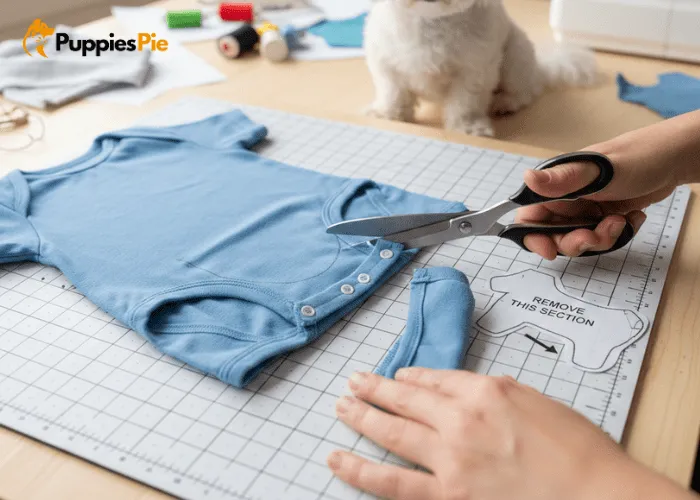
Onesies come with snaps that don’t line up with a dog’s anatomy. Remove them and cut the bottom into a gentle curve. This eliminates any rubbing and creates a clean shirt-like fit.
For rompers or pajamas, cut off the bottom portion completely. Dogs need free movement around the hips and tail, so always leave room.
Step 3 – Adjust the Neck Opening if Needed
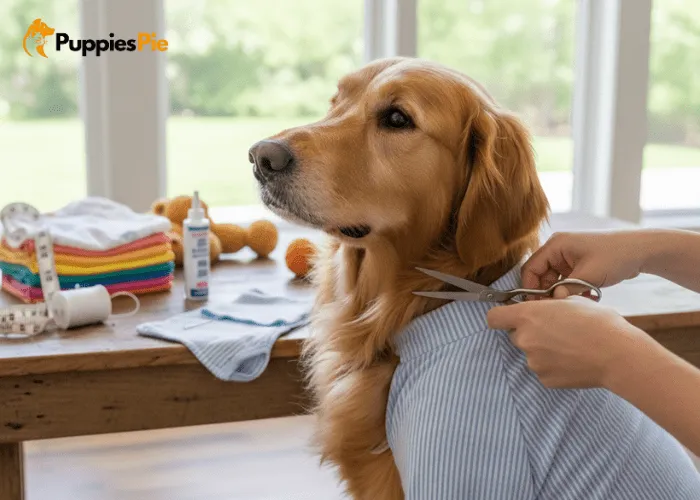
Baby clothing necklines usually fit dogs well, but some breeds need extra room. Stretch it gently or trim a small V-shape in the front if your dog has a thicker neck.
If you cut more than half an inch, reinforce the new seam with a quick hand stitch, small ribbing, or fabric glue.
Step 4 – Modify the Sleeves
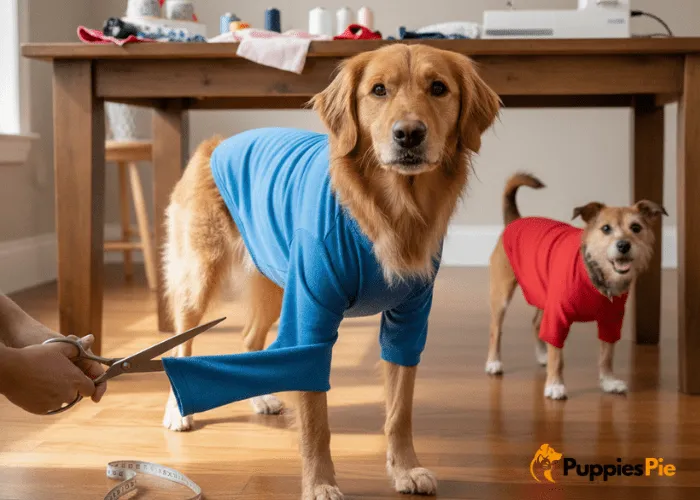
Most baby sleeves are too long for dogs. Trim them to mid-shoulder or elbow level. Short sleeves keep movement flexible and prevent fabric from dragging or twisting while your dog walks.
For dogs with shorter legs, remove the sleeves completely and finish the armholes with a small hem.
Step 5 – Create a Tail Opening (If Necessary)
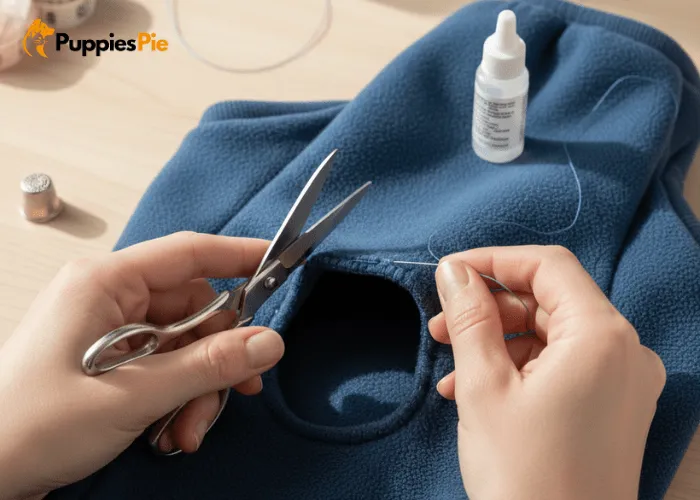
If you’re transforming a sleeper or anything that originally covered the lower back, cut a small U-shaped opening for the tail. Make it wide enough to avoid pressure but not so large that it loses structure.
Reinforce it lightly with stitching or glue so the fabric doesn’t fray.
Step 6 – Shape the Belly Area
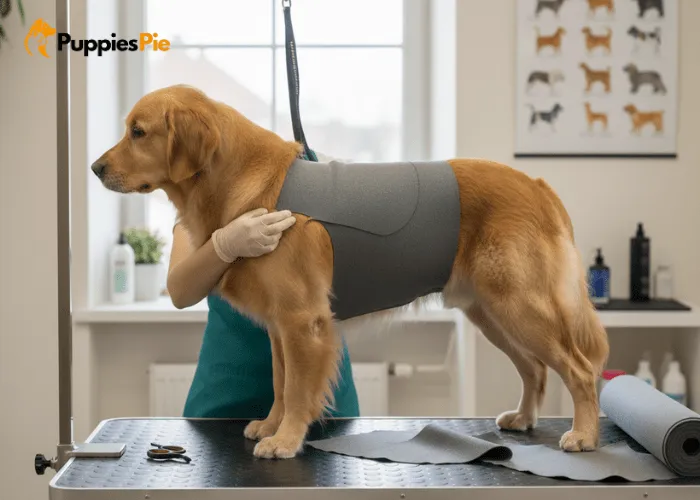
Dogs need a shorter front panel to avoid accidents during bathroom breaks. Trim the belly portion into a curved line that rises toward the chest. Always test-fit before making final cuts.
The goal is coverage without obstruction.
Step 7 – Try It On and Fine-Tune
Place the garment on your dog and check for:
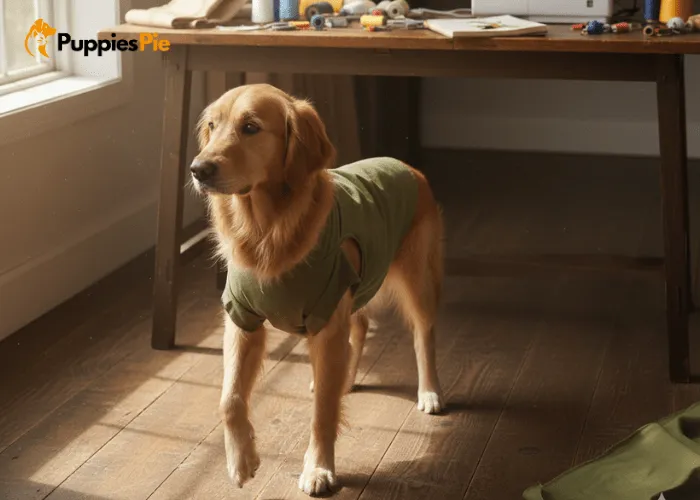
- Tightness around the chest
- Gap around the neck
- Bunching around the shoulders
- Restrictive sleeves
- Loose edges that could catch on something
Make small adjustments until the outfit sits naturally on your dog’s body. A relaxed fit is better than a tailored one for comfort and easy movement.
Design Ideas for Upcycled Dogwear
This is where creativity shines. Baby clothing design already brings cute prints and soft colors, but you can personalize it even more.
- Turn a striped baby sleeper into a cozy winter pajama.
- Transform a tiny hoodie into a fall jacket.
- Use baby leggings as breathable warmers for short-haired dogs.
- Cut a romper into a sleeveless summer shirt.
- Add old baby socks as booties for indoor traction.
You can also attach soft patches, name tags, or tiny bows, as long as nothing is stiff or chewable.
Safety Considerations for Dog Clothing
Comfort and safety matter more than aesthetics. A few reminders keep your pup happy:
- Avoid buttons, hard snaps, or decorations your dog can chew off.
- Stick with breathable fabrics like cotton or bamboo blends.
- Keep outfits loose around the armpits to prevent chafing.
- Don’t use zippers near fur. They snag easily.
- Check for overheating, especially with thicker materials.
Monitor your dog the first few times they wear the new outfit. Movement should remain natural and unrestricted.
Benefits of Upcycling Baby Clothes into Dogwear
This simple craft packs more value than you might expect.
- Saves money on dog outfits
- Reduces textile waste
- Reuses soft, high-quality fabrics
- Allows nostalgic repurposing of sentimental baby clothes
- Lets you create custom fits for unique body shapes
- Offers a comforting scent if the clothes belonged to your household
Most store-bought dogwear is mass-produced with cheap materials. Upcycling lets you avoid that and give your dog something genuinely comfortable.
Styling Tips for Finished Dogwear
Once the piece fits well, play with styling.
- Layer a trimmed onesie under a dog harness for outdoor walks.
- Add a matching bandana using leftover fabric scraps.
- Pair a baby hoodie with leggings-turned-leg-warmers for cold weather.
- Keep colors cohesive so the look appears intentional, not accidental.
Your dog may not care about fashion, but a well-fitted outfit influences comfort, and that matters more than anything.
Cleaning and Maintenance
The nice part about baby fabrics is they’re already designed for frequent washing.
- Wash dogwear in cold water to protect elasticity.
- Avoid fabric softeners; they irritate some dogs’ skin.
- Hang dry to maintain shape.
- Inspect seams after each wash.
Because the clothing is soft and lightweight, it dries quickly and doesn’t stiffen over time.
Common Mistakes to Avoid
A few simple oversights can ruin the outfit or make it uncomfortable.
- Cutting too much fabric at once. Trim gradually.
- Making sleeves too long. Dogs need unrestricted legs.
- Forgetting room for the belly area.
- Adding decorations that become chew hazards.
- Choosing fabrics that don’t stretch.
Treat this like tailoring for someone who wiggles constantly. Precision matters, but patience matters more.
Conclusion
Upcycling baby clothes into dogwear blends sustainability, creativity, and pure sentimental joy. With a few simple adjustments, you can turn soft little garments into practical, comfortable outfits your dog can wear every day. It’s affordable, deeply personal, and far more charming than anything you’ll find on a store rack.
Give it a try with one old onesie. Once you see how easy it is, you’ll start looking at every outgrown garment as potential dogwear material.