Stop right there! Are you tired of your dog’s food and water bowls sliding across the floor, creating a messy eating area? Or maybe you have a taller or older dog who struggles to comfortably reach their food. An elevated dog bowl stand is a fantastic solution, and the best part is, you can build a beautiful and functional one yourself.
This guide is here to walk you through everything you need to know about creating a custom dog bowl stand DIY project. We’ll cover the amazing benefits for your furry friend, what materials and tools you’ll need, and a step-by-step plan to build a stand that’s perfect for your pup and your home. Get ready to create a dining experience for your dog that is comfortable, clean, and stylish.
Why Your Dog Deserves an Elevated Feeder
Before we dive into the sawdust and wood glue, let’s talk about why a raised dog bowl stand is more than just a pretty accessory. Providing an elevated feeder can have some real health and comfort benefits for your canine companion, transforming their mealtime from a chore into a pleasure.
Improved Posture and Comfort
For many dogs, especially large breeds, senior dogs, or those with arthritis or neck issues, eating from a bowl on the floor can cause strain. They have to bend their necks and angle their bodies in an unnatural way to eat. An elevated stand brings the food up to a comfortable height, allowing them to eat in a more natural standing position, which can reduce stress on their neck, shoulders, and joints. This is particularly beneficial for dogs with medical conditions like megaesophagus, where an upright posture is crucial for digestion.
Better Digestion for Your Pup
When a dog eats from an elevated bowl, gravity can help the food travel more easily from their mouth to their stomach. This can be particularly helpful for dogs that are prone to digestive issues or dogs that eat too quickly. A more upright posture while eating may aid in smoother digestion and reduce the amount of air they swallow, which can sometimes lead to bloating and discomfort.
A Cleaner and More Hygienic Mealtime
Let’s be honest, dogs can be messy eaters. Bowls on the floor are easily pushed around, leading to spilled water and scattered kibble. A sturdy stand keeps the bowls in one place, minimizing the mess. Additionally, elevating the bowls helps to keep dirt, dust, and hair from getting into your dog’s food and water, ensuring their meals are as clean as possible.
Getting Started: What You Will Need
Ready to build? The beauty of a DIY project is that you can customize it to your skill level and the tools you have available. Here is a general list of materials and tools you will likely need for a simple wooden dog bowl stand.
Essential Materials to Gather
Wood: A single 1×12 board is often enough for a standard two-bowl stand. You can also use plywood or even reclaimed wood for a more rustic look. Hardwoods like oak or maple are durable, pet-safe choices that stand up well to wear and tear.
Dog Bowls: Make sure to have the bowls you plan to use on hand before you start building. You’ll need to measure them to ensure a perfect fit. Stainless steel bowls with a lip are ideal as they will sit securely in the stand and are easy to clean.
Wood Glue and Screws: A strong wood glue provides the primary bond, while screws add mechanical strength to ensure your stand is strong and stable for years to come.
Sandpaper: Medium-grit (around 120) and fine-grit (around 220) sandpaper are needed to smooth out any rough edges and prevent splinters, creating a professional finish.
Pet-Safe Wood Finish: This is crucial for protecting the wood from water and food spills. Look for non-toxic, VOC-free options like a food-grade cutting board oil or a water-based polyurethane clearly labeled as child- and pet-safe.
Tools for the Job
Measuring Tape and Pencil: Accuracy is key for a well-built stand that sits flat and holds the bowls securely.
Saws: A circular saw or miter saw is great for making straight cuts for your wood pieces. A jigsaw is essential for cutting the circular holes for the bowls.
Drill: A power drill is needed for making pilot holes for your screws (to prevent the wood from splitting) and to create a starting point for your jigsaw cuts.
Clamps: These are incredibly helpful for holding pieces together tightly while the wood glue dries, ensuring strong joints.
Building Your Custom Dog Bowl Stand: A Guide
Now for the fun part! This step-by-step guide will walk you through creating a simple and stylish elevated dog bowl stand. Remember to always wear safety glasses and work in a well-ventilated area.
Step 1: Measure and Plan Your Design
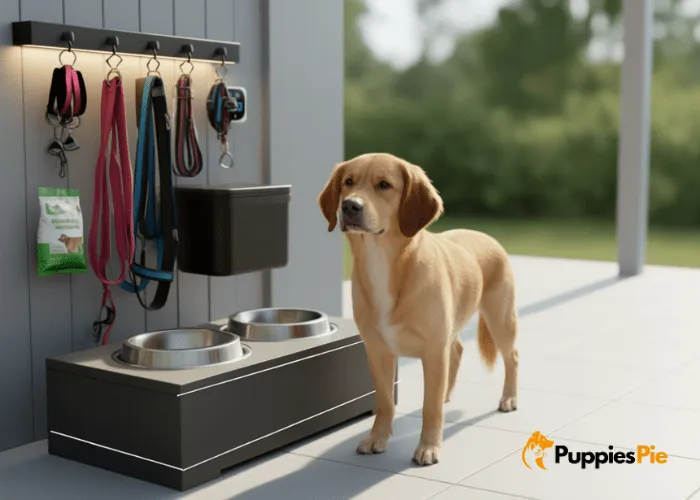
First, you need to determine the right height for your stand. A good rule of thumb is to measure your dog from the floor to the bottom of their chest while they are standing. The top of the stand should be roughly at this height, allowing them to eat without craning their neck up or down.
Next, measure the diameter of your dog bowls at their widest point, including the lip. On your top piece of wood, trace the outline of the bowls where you want them placed. Then, draw a second, smaller circle about a half-inch inside your first trace. This inner line is your cutting line, which will allow the lip of the bowl to rest securely on the wood without falling through.
Step 2: Cut Your Wooden Pieces
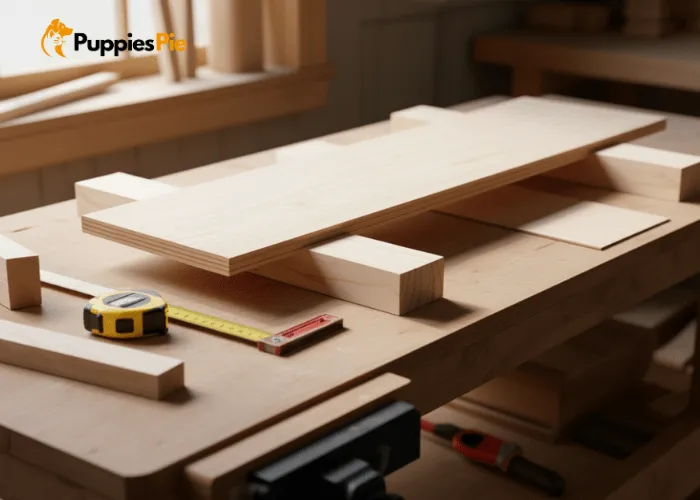
Based on your design, cut your wood to the appropriate sizes. For a basic stand, you will need one top piece, two side pieces that will serve as legs, and you might consider a front and back panel for added stability, especially for larger stands. Always remember the golden rule of woodworking: measure twice, cut once!
Step 3: Create the Openings for the Bowls
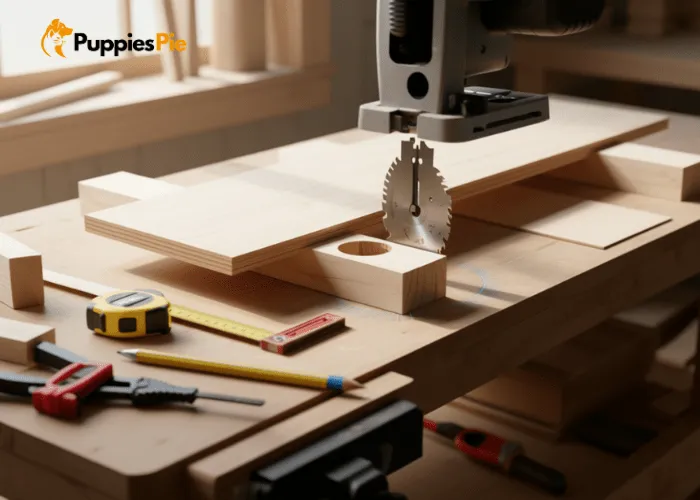
On your top piece of wood, find the center points for where your bowls will go. Drill a starter hole just inside the cutting line you drew in the first step. This hole should be large enough to fit your jigsaw blade. Carefully insert the blade and slowly follow your cutting line to cut out each circle.
Step 4: Assemble Your Dog Bowl Stand
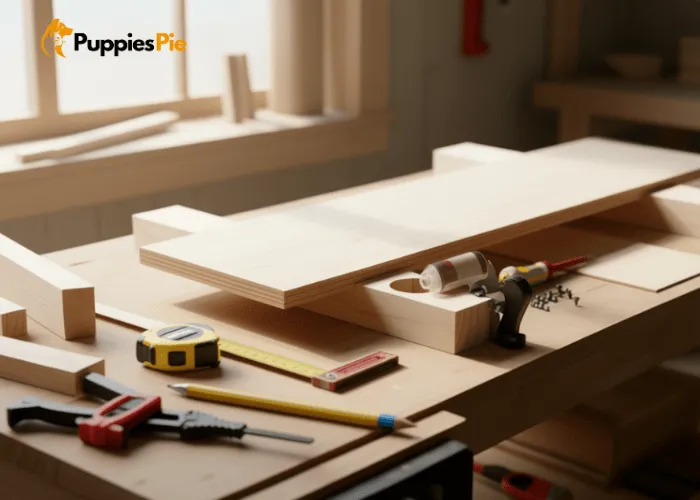
Begin by attaching the legs to the top piece. Apply a thin, even layer of wood glue to the edges where the pieces will join. Press the pieces together firmly and use clamps to hold them in place while the glue dries. For extra strength, pre-drill pilot holes and then drive in wood screws once the glue is set. If you cut front and back panels, attach them last in the same manner.
Step 5: Sanding and Finishing Touches
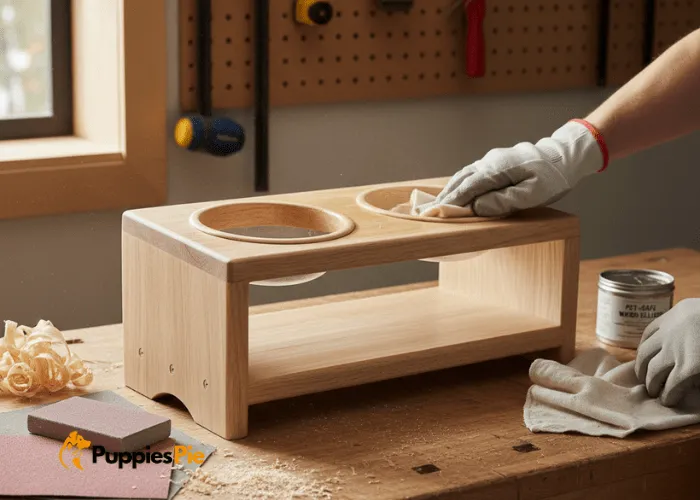
Once your stand is fully assembled and the glue is dry, it’s time for the finishing touches. Give the entire stand a thorough sanding with medium-grit sandpaper to smooth all surfaces and round any sharp edges. Follow up with fine-grit sandpaper for a silky-smooth finish. Wipe away all the dust with a clean cloth, and then apply your pet-safe finish. Apply a thin layer of a non-toxic sealer or oil, let it dry, and apply a second coat if needed for extra protection.
Creative DIY Dog Bowl Stand Ideas
Looking for a little more inspiration? Here are a few creative ideas to take your custom dog bowl stand to the next level:
Add Storage: Incorporate a lower shelf or even a small built-in cabinet into your design to store dog food, treats, and toys out of sight.
Repurpose Furniture: An old, small dresser, a sturdy stool, or a side table can be easily converted into a unique feeding station by simply cutting holes in the top.
Personalize It: Use pet-safe paint to add your dog’s name to the front of the stand. You can also use stencils to create fun patterns like paw prints or bones.
Modern Designs: Use hairpin legs for a mid-century modern look or combine wood with metal pipes for a cool, industrial-style feeder.
Whatever design you choose, the most important thing is to create a stand that is the right height for your dog and is sturdy and safe for them to use.
Conclusion: A Rewarding Project for You and Your Pet
Building a custom dog bowl stand is a rewarding and practical DIY project. Not only will you save money compared to store-bought options, but you’ll also be able to create a piece that perfectly suits your dog’s needs and your home’s decor. Your furry friend will thank you for the added comfort at mealtimes, and you’ll have a stylish and functional piece to be proud of.
So, grab your tools, get creative, and start building! We’d love to see your creations, so feel free to share photos of your completed projects or explore our other articles for more pet-friendly DIY ideas.