Rainy walks don’t have to mean soaked fur, muddy paws, and a dog that smells like a wet towel for days. The problem? Most store-bought dog raincoats are overpriced, poorly fitted, and sometimes uncomfortable. Luckily, you can easily make your own dog raincoat at home using things you probably already have, like an old umbrella, a shower curtain, or even a grocery bag liner.
This guide will show you exactly how to make a comfortable, waterproof, and budget-friendly dog raincoat from scratch. It’s simple, customizable, and works for any breed or size. By the end, your pup will be dry, stylish, and ready for any drizzle Mother Nature throws your way.
Why Make a DIY Dog Raincoat
Here’s the thing, dogs might love puddles, but they don’t love cold, wet fur clinging to their skin. A good raincoat keeps them warm, dry, and happy. Making one yourself isn’t just cheaper, it’s smarter.
Benefits of a DIY Dog Raincoat:
- Perfect fit: Custom measurements mean better comfort.
- Affordable: Uses recycled materials like old jackets or umbrellas.
- Waterproof protection: Keeps fur clean and dry during walks.
- Eco-friendly: You’re repurposing materials instead of buying plastic.
- Easy to clean: Most can be wiped or washed after each use.
Plus, there’s something satisfying about crafting something useful for your dog with your own hands, and it’s surprisingly quick.
Materials You’ll Need
You don’t need fancy tools or sewing skills. Just a few basics and a creative spark.
Essential Materials:
- Old umbrella or waterproof jacket (nylon or polyester)
- Measuring tape
- Scissors
- Velcro or elastic straps
- Needle and thread (or fabric glue if you prefer no-sew)
- Optional: lining fabric like cotton or fleece for warmth
Optional Extras:
- Reflective tape for nighttime safety
- Hood or neck flap for extra coverage
- Buttons or snaps if you want a more polished look
If you’re repurposing an old raincoat or umbrella, make sure it’s clean and still waterproof before starting.
Step-by-Step Guide: How to Make a Dog Raincoat at Home
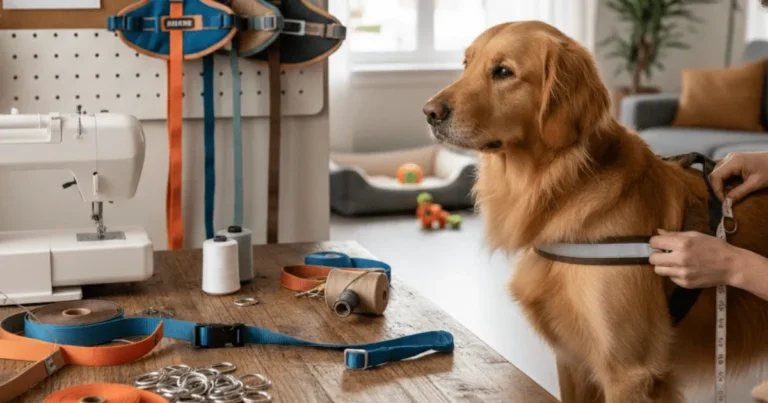
Step 1 – Measure Your Dog
Grab your measuring tape and note these three key measurements:
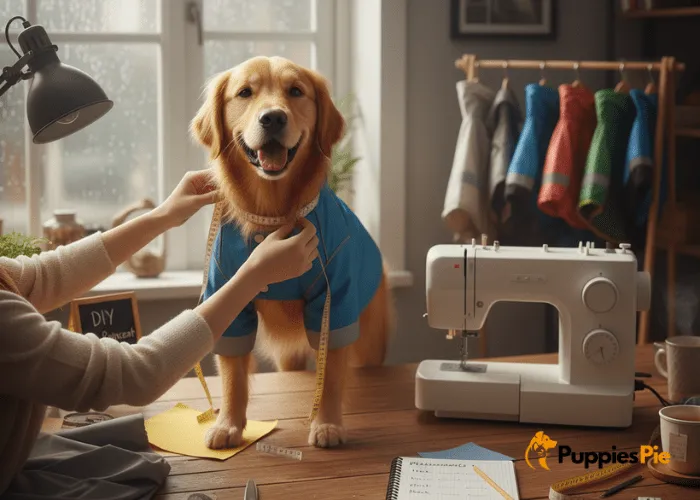
1. Neck circumference – where a collar would sit.
2. Chest girth – around the widest part of the chest.
3. Back length – from neck base to tail base.
Write them down, you’ll use these to cut your pattern.
Step 2 – Create the Pattern
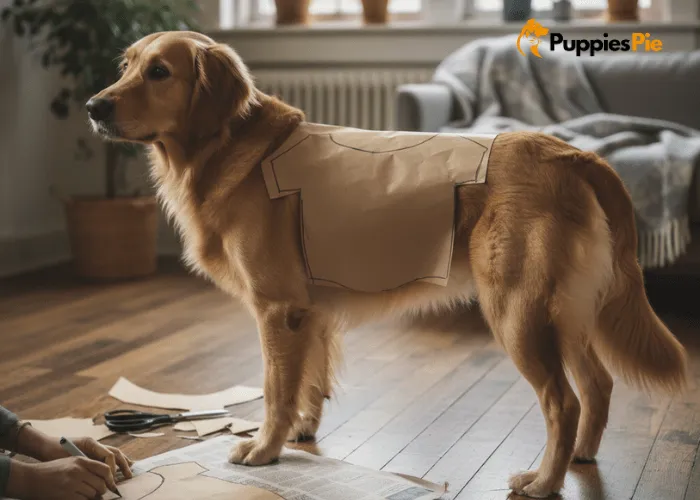
Lay out an old newspaper, paper bag, or cloth. Draw a basic “T-shirt” shape that matches your dog’s measurements. It should cover from the neck to the tail and drape over both sides of the body.
Cut it out and place it over your dog’s back to test the size. Adjust if needed, you want it snug but not tight.
Step 3 – Cut the Fabric
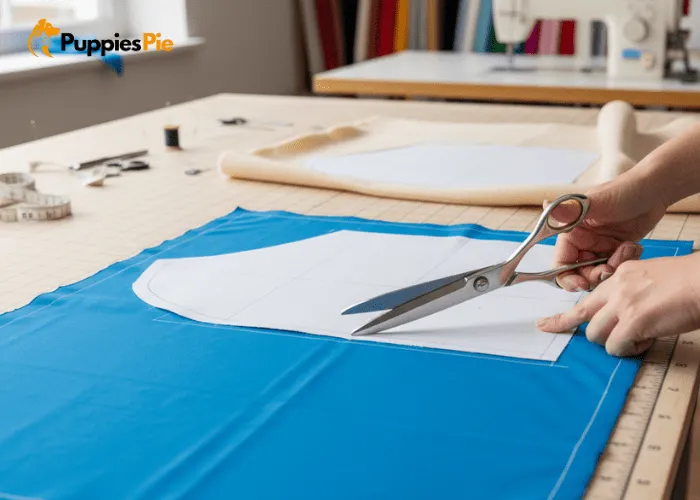
Once your pattern fits, lay it on top of your waterproof fabric (like the umbrella material) and trace around it. Cut carefully, leaving about half an inch around the edges for sewing or gluing.If you want a lining, cut the same shape from cotton or fleece.
Step 4 – Assemble the Raincoat
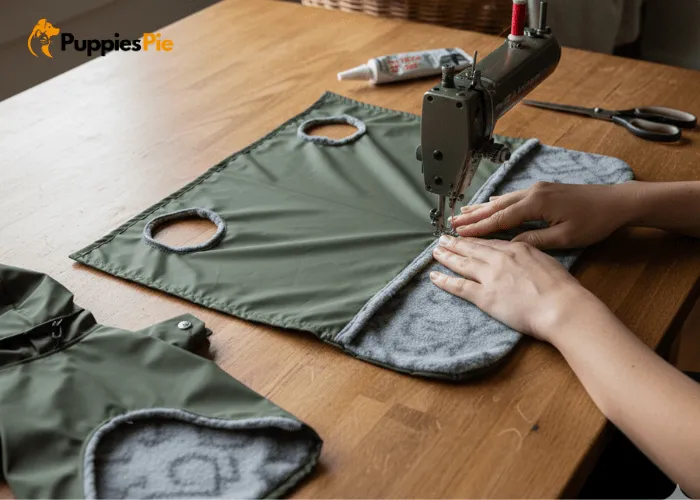
Place the waterproof fabric and lining (if using) together, with the outer sides facing in. Sew or glue around the edges, leaving holes for the neck and legs. Then flip it right-side out.
Step 5 – Add Straps or Fasteners
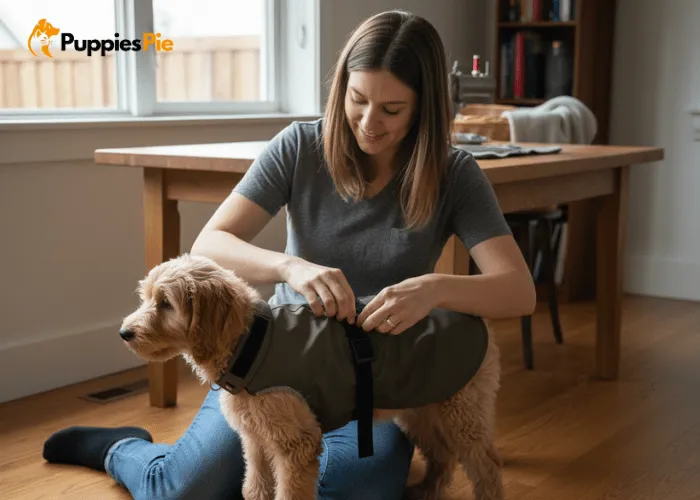
Attach Velcro strips or elastic bands under the belly and around the chest. These keep the raincoat secure during walks.Make sure your dog can move freely, no tightness around the shoulders or armpits.
Step 6 – Optional Add-Ons
Want to level it up? Add a few finishing touches:
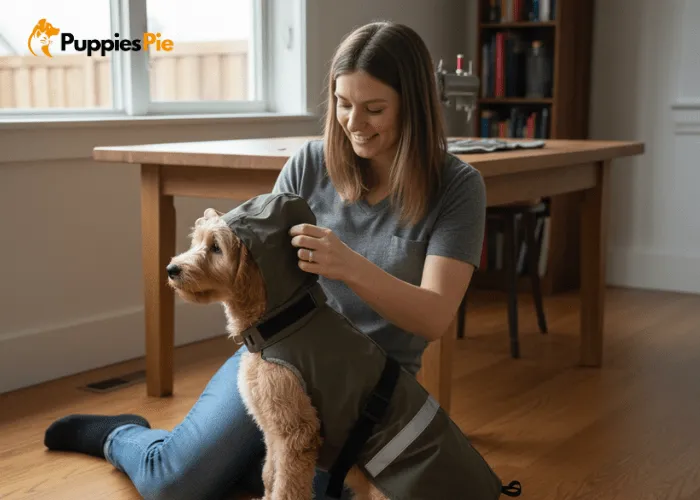
- Reflective strips for safety on dark walks.
- Hood or neck flap for full coverage.
- Tail loop so it doesn’t slide off.
That’s it, your custom-made dog raincoat is ready for the next downpour.
No-Sew Dog Raincoat Option
If sewing isn’t your thing, here’s a simpler version using just scissors, glue, and Velcro.
You’ll need:
- Plastic or vinyl shower curtain
- Strong fabric glue
- Velcro strips
Steps:
1. Cut out a rectangle based on your dog’s back size.
2. Round the corners so it looks smooth.
3. Glue on Velcro straps at the neck and chest.
4. Let it dry for a few hours.
You can even cut a small slit for the leash to pass through if your dog wears a harness. Quick, functional, and waterproof, no stitching required.
Choosing the Right Fabric
Not all waterproof materials are equal. Here’s what works best:
- Nylon: Lightweight and durable. Perfect for small dogs.
- Polyester: Easy to clean and resistant to tearing.
- Old rain jacket: Already waterproof and soft inside.
- Umbrella fabric: Surprisingly tough and easy to work with.
Avoid stiff materials like plastic tablecloths, they make noise, restrict movement, and can spook sensitive dogs.
Design Ideas for Style and Function
If you’re going to the trouble of making a coat, why not make it stylish? Here are some fun design ideas:
- Classic Yellow Slicker: Bright, visible, and timeless.
- Camo Adventure Coat: Made from old hiking gear.
- Transparent Umbrella Coat: Clear and trendy, lets your dog’s fur show.
- Color-Blocked Jacket: Mix bright colors with reflective accents.
- Fleece-Lined Winter Coat: Combine rain and cold protection in one.
You can even add small pockets for treats or waste bags. Just keep decorations light and secure.To complete the look, you can also make a matching Dog Bandana from leftover fabric for a coordinated, stylish outfit.
Safety and Comfort Tips
The goal is to keep your dog dry and happy. Comfort comes first.
- Avoid tight fits: Your dog should move freely and breathe easily.
- Keep it lightweight: Heavy materials make walking awkward.
- Check mobility: Make sure the coat doesn’t rub the armpits.
- Dry after each use: Prevent mildew by hanging it up after rain.
- Add leash openings: For harness or collar attachments.
And always test it indoors first. If your dog freezes or refuses to walk, remove it and try again later. Sometimes it takes a few minutes for them to get used to the feel.
Cleaning and Maintenance
A homemade raincoat is easy to care for, just a quick rinse and it’s good as new.
Cleaning Tips:
- Wipe with a damp cloth after each walk.
- For deeper cleans, hand wash in warm water with mild detergent.
- Avoid the dryer, air dry only.
- Reseal waterproof coatings (like Scotchgard) every few months if needed.
Proper care keeps your DIY coat lasting for years, not just one season.
Budget Breakdown (Approximate)
You can make a perfectly functional dog raincoat for under $15.
- Recycled umbrella or jacket: Free
- Velcro or straps: $5
- Thread or glue: $2
- Optional reflective tape or fleece lining: $5
Total: Around $10–15, depending on materials you already have. That’s a fraction of what pet stores charge for something less personal.
Why a DIY Raincoat Is Better Than Store-Bought
Store raincoats look great on hangers but not always on dogs. Homemade ones solve that.
Here’s why DIY wins:
- Custom fit: Made exactly for your dog’s shape.
- Comfort-focused: You pick soft, breathable linings.
- Easy repair: If a strap breaks, you can fix it in minutes.
- Personal touch: Add your dog’s name or favorite color.
- Eco-conscious: You’re upcycling instead of buying new plastic.
And let’s be honest, a dog in a handmade raincoat? That’s content gold for social media.
Extra Ideas for Small and Large Breeds
Small dogs: Focus on lightweight fabrics and short coverage so they don’t trip. Add fleece inside for warmth.
Large dogs: Use sturdy materials like nylon or polyester, and longer belly straps to keep the coat in place.
Fluffy breeds: Skip thick linings, they retain heat easily.
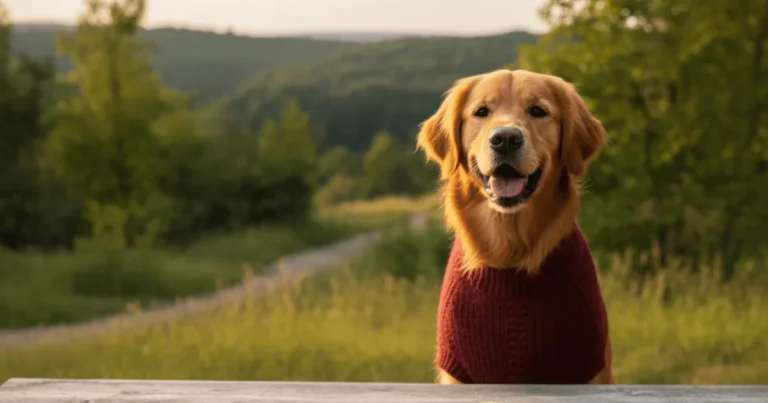
Short-haired breeds: Add insulation, especially in colder climates.For colder days, consider pairing the raincoat with a cozy Sweater Dog Jacket to keep your pup warm and dry.
Every dog is different, so test comfort first before heading out into the rain.
Bonus Tip – Matching Owner and Dog Coats
Want to turn heads? Use leftover fabric from your DIY project to make a matching hood or rain accessory for yourself. Matching outfits aren’t just adorable, they make for great photos, especially for reels or TikToks on rainy days.
After a wet walk, your pup might also enjoy a soft Dog Bath Robe made from upcycled towels or old sweaters to stay warm and comfortable.
It’s a small detail, but one that makes your daily walks a lot more fun.
Conclusion:
You don’t need fancy gear or sewing skills to make a waterproof dog raincoat that actually works. With a few recycled materials, some Velcro, and a little creativity, your pup can stay dry and comfortable through every drizzle or downpour.
The best part? You get to design something that fits perfectly, costs almost nothing, and turns every rainy walk into a proud DIY moment. Grab that old umbrella and give it new life, your dog will thank you next time the clouds roll in.