Why Build a Pet Feeding Station?
If you’ve ever tripped over a dog bowl or found kibble scattered across the kitchen floor, you know the struggle of keeping a pet’s feeding area tidy. A pet feeding station is more than just a place to put bowls; it’s a dedicated, organized space that promotes healthy eating habits and adds a stylish touch to your home. But why buy an expensive one when you can build a custom station that perfectly fits your pet and your decor?
In this comprehensive guide, you’ll learn how to build your own DIY pet feeding station. This project is a rewarding DIY dog craft that gives you control over the design, size, and functionality. We’ll cover everything from the benefits of an elevated feeding position to the step-by-step instructions for creating a station with built-in storage. This is a practical and meaningful way to enhance your dog care routine.
The Benefits of an Elevated Feeding Station
Improved Comfort and Posture
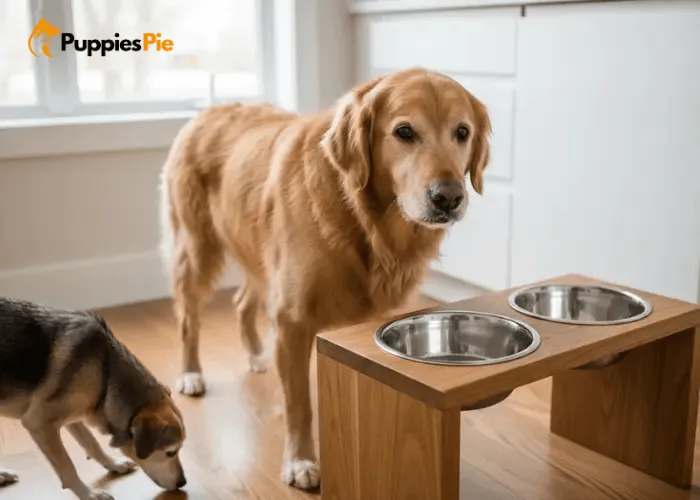
For many dogs, especially large breeds, older dogs, and those with arthritis or neck issues, eating from a floor-level bowl can be uncomfortable. It forces them to strain their neck and back, which can lead to discomfort and long-term health problems. An elevated feeding station allows them to eat in a more natural, upright position, which puts less stress on their joints and spine.
Better Digestion and Less Mess
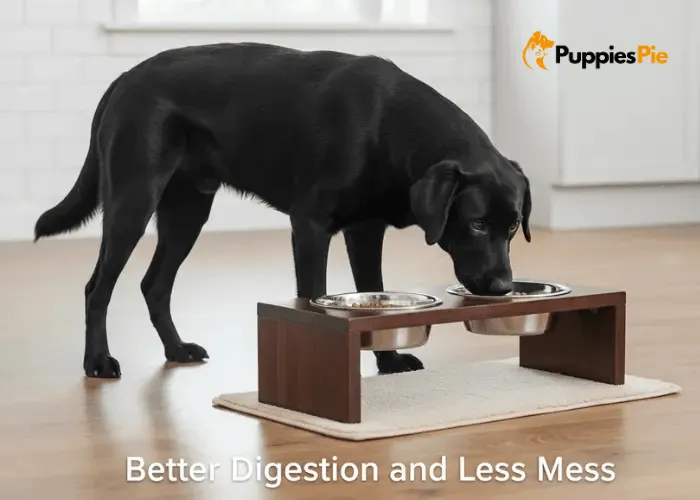
An elevated bowl can help with digestion by allowing food to travel down the esophagus more smoothly. For fast eaters, it can slow them down, reducing the risk of bloating and indigestion.Plus, elevated bowls are a game-changer for cleanliness. They keep food and water off the floor, minimizing spills and making it easier to keep the feeding area tidy. No more mopping up water from messy drinkers!
Functionality and Style
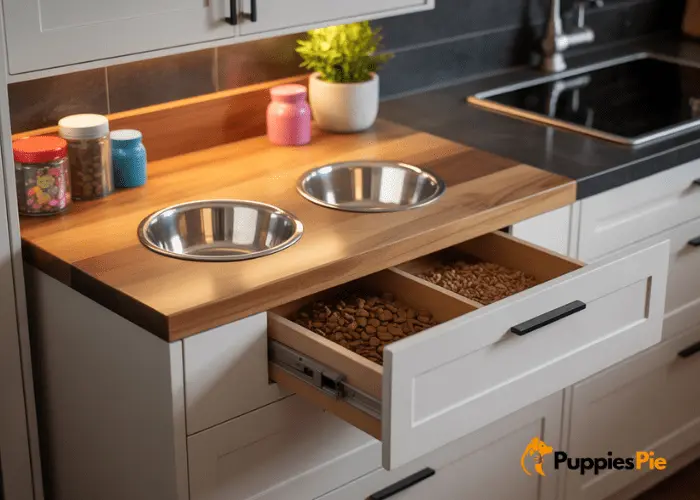
A well-designed feeding station can solve multiple problems at once. You can incorporate storage for food and treats, add a splash of color to match your home decor, or even include a pull-out drawer to hide the bowls when not in use. It turns a messy feeding area into a neat, integrated part of your home.
What You’ll Need: Your DIY Toolkit
Building a pet feeding station is a straightforward woodworking project that requires a few basic tools and materials.
Materials
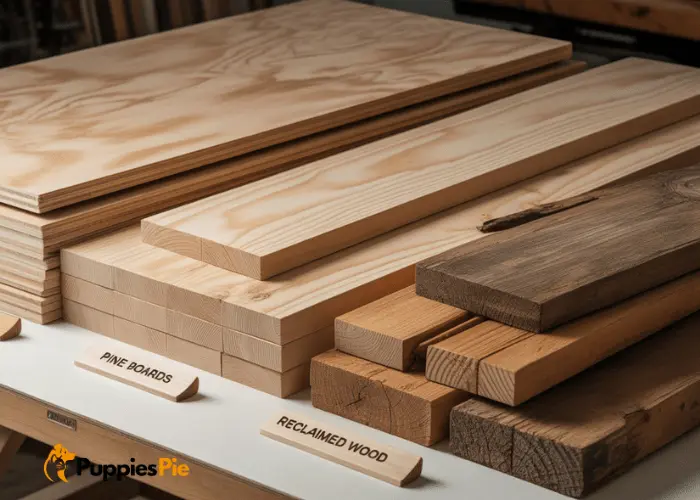
Wood: Plywood, pine boards, or reclaimed wood. Choose a wood that is durable and easy to work with. The size will depend on your dog’s size.
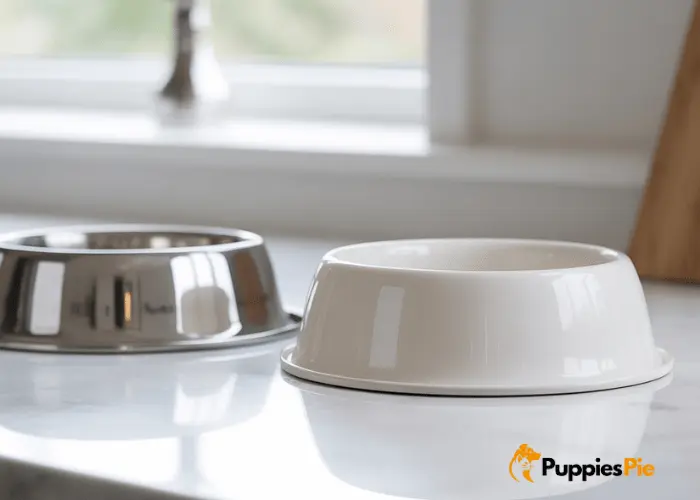
Bowls: Two high-quality bowls (one for food, one for water). Stainless steel bowls are the best choice as they are easy to clean, durable, and resistant to bacteria. Ceramic or glass bowls are also good options.
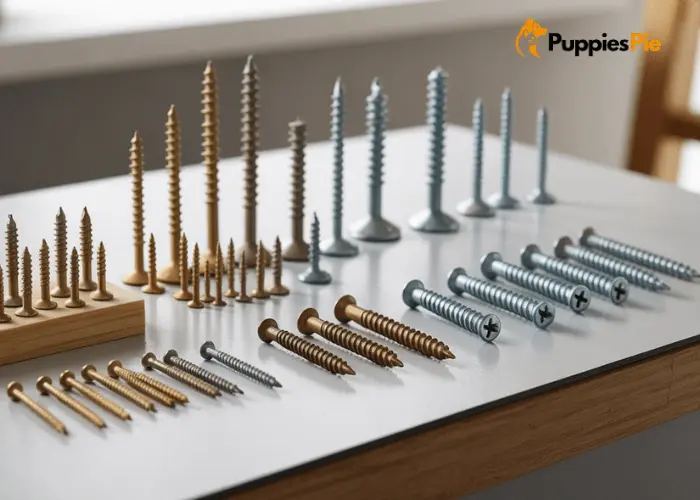
Wood Screws: To secure the pieces of the station together.
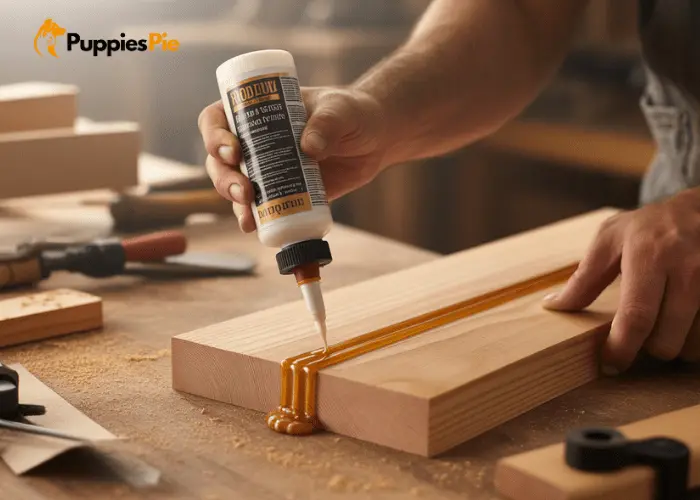
Wood Glue: For a stronger, more stable build.
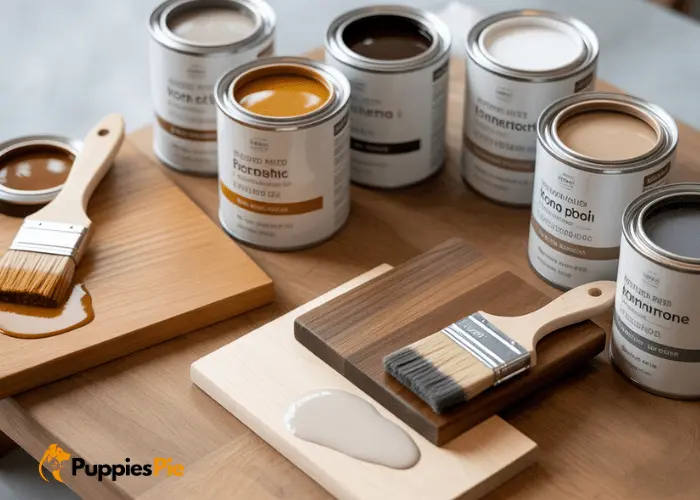
Wood Stain or Paint: A pet-safe, non-toxic finish to protect the wood and match your decor.
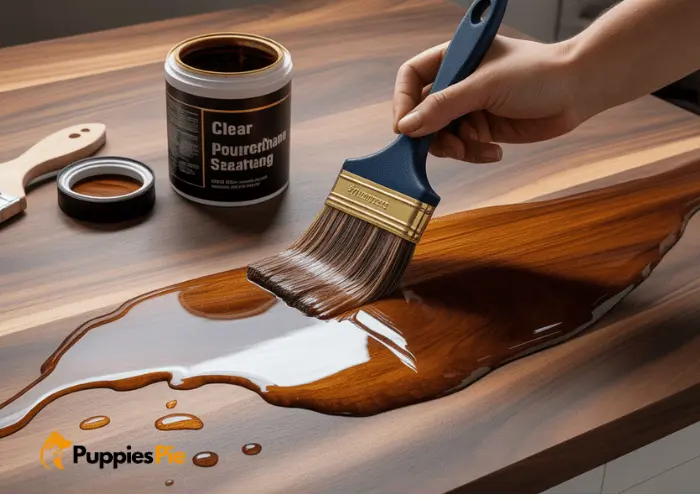
Polyurethane or Wood Sealer: A waterproof finish is crucial for protecting the wood from water spills.
Tools
Measuring Tape: Accuracy is key!
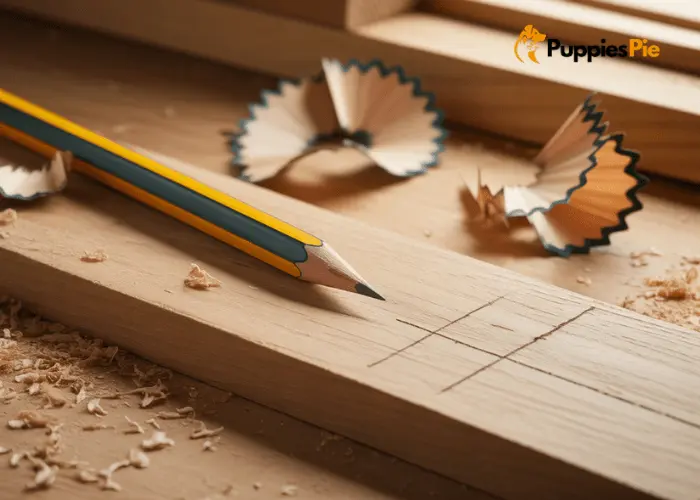
Pencil: For marking cuts.
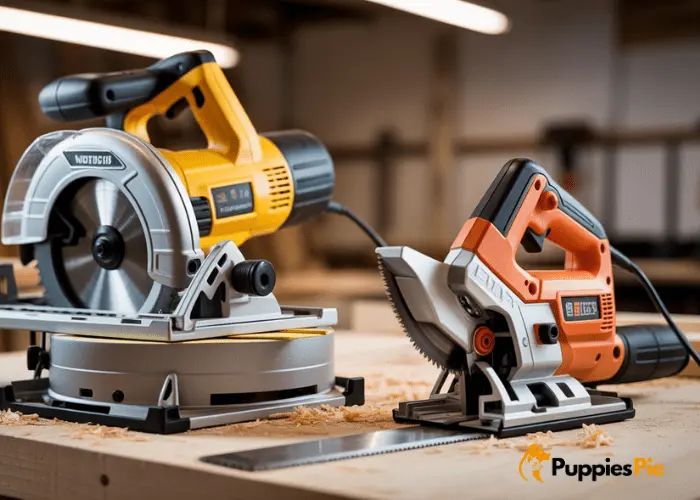
Circular Saw or Miter Saw: For cutting the wood. A jigsaw can also work for smaller projects.
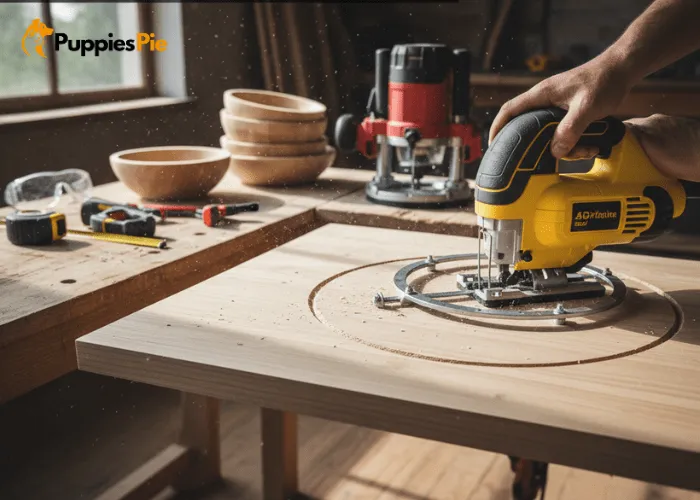
Jigsaw or Router with Circle Jig: To cut the perfect circles for the bowls. A jigsaw is a good option if you don’t have a router.
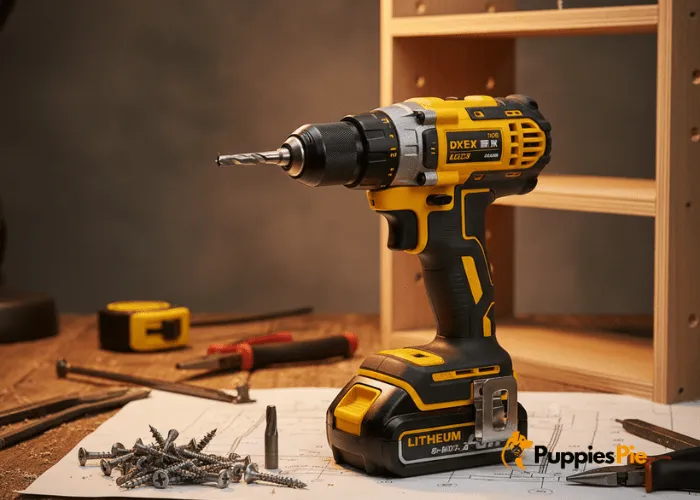
Drill: For pre-drilling holes and driving screws.
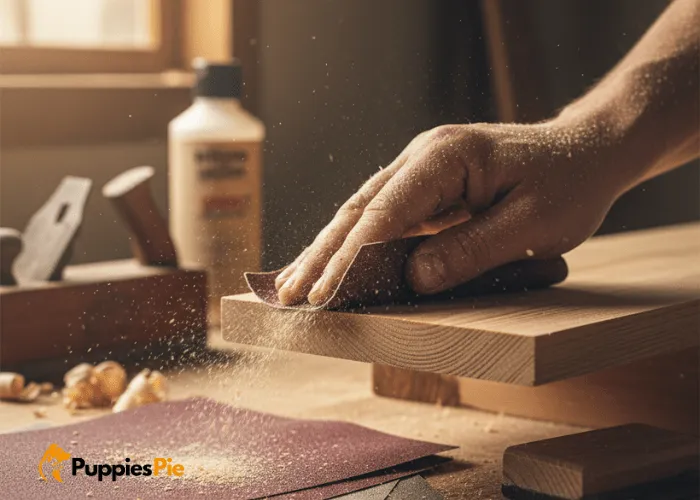
Sandpaper: To smooth all surfaces and edges.
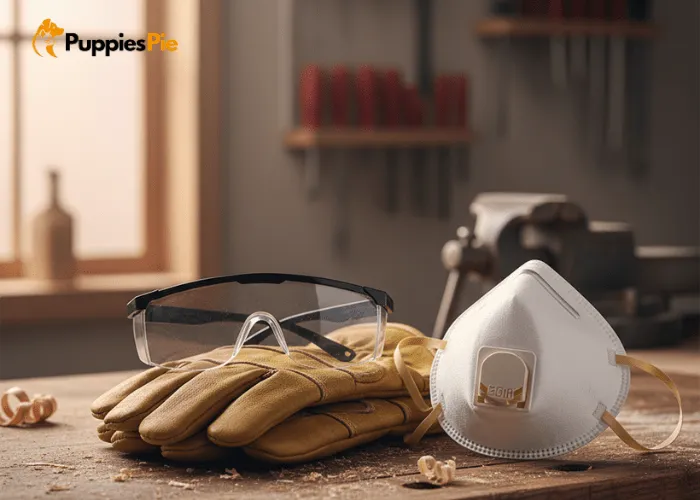
Protective Gear: Safety glasses, gloves, and a dust mask.
Important Note on Safety
Always ensure that all materials, paints, and sealers are safe for pets. Never use anything with a strong chemical odor or known toxins. Supervise your dog during the building process and always sand all edges to prevent splinters.
Step-by-Step DIY Guide to Building a Pet Feeding Station
Time Estimate: 2-4 hours (plus drying time for paint/stain)
Difficulty Level: Intermediate
Step 1: Measure Your Dog and Plan Your Design
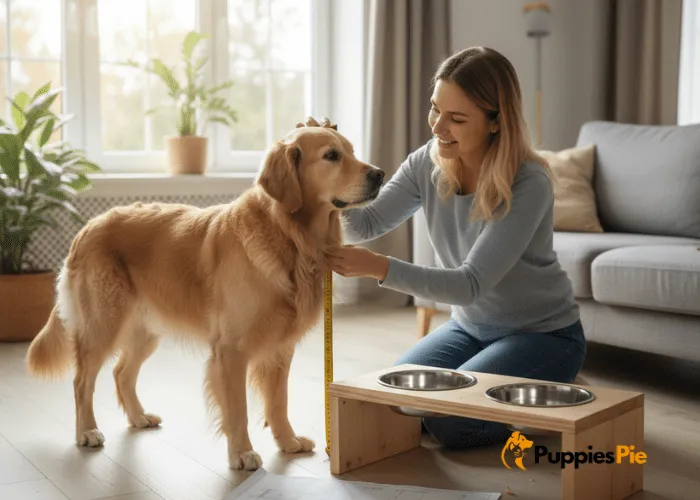
This is the most important step. To determine the correct height for the bowls, measure your dog from the floor to their shoulders while they are standing. The top of the bowl should be at about their chest level. A good rule of thumb is to subtract 3-6 inches from their shoulder height. For a feeding station with storage, decide on the dimensions that will fit both your pet and your space.
Step 2: Cut Your Wood Pieces
Based on your measurements, cut the pieces for your feeding station. You will need:
Top piece: The surface where the bowls will sit.
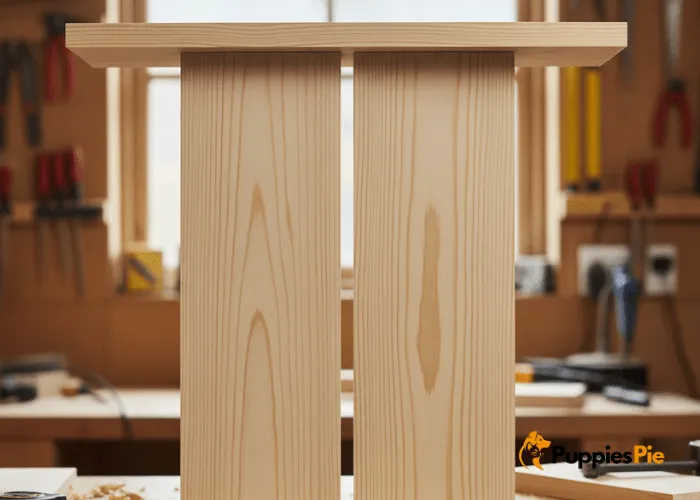
Two side pieces: The vertical supports for the top.
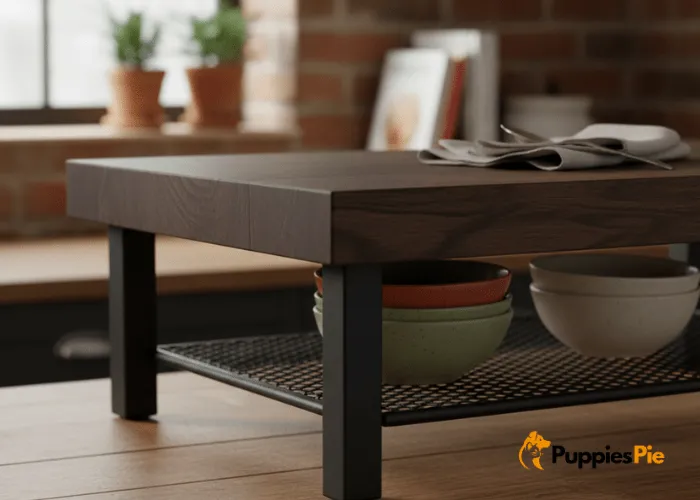
A bottom piece: For stability and storage.
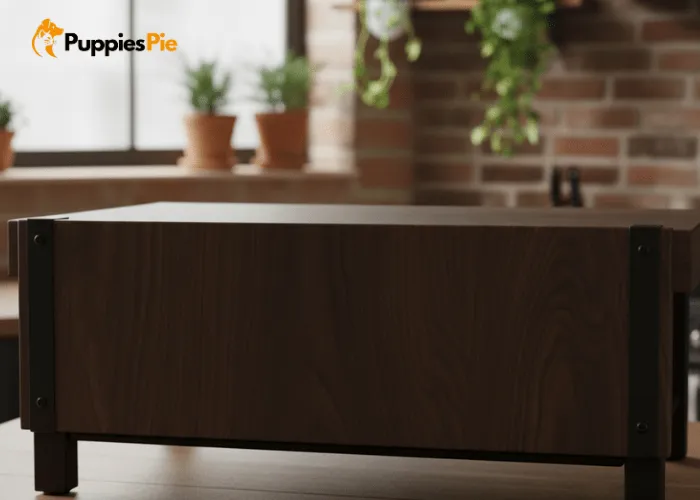
Back piece: To hold the station together and prevent it from wobbling.
Step 3: Cut the Holes for the Bowls
On the top piece, measure and mark the locations for the bowls. The holes should be slightly smaller than the outer rim of your bowls so they can rest on the lip. Use a jigsaw or a router with a circle jig to carefully cut out the two circles.
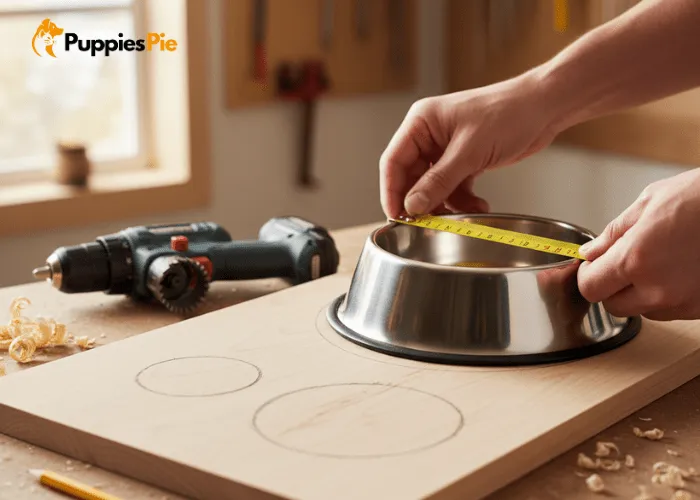
Pro Tip: Measure the bowls you plan to use before cutting. It’s better to cut the hole a little too small and sand it larger than to cut it too big and have the bowl fall through.
Step 4: Sand All Surfaces
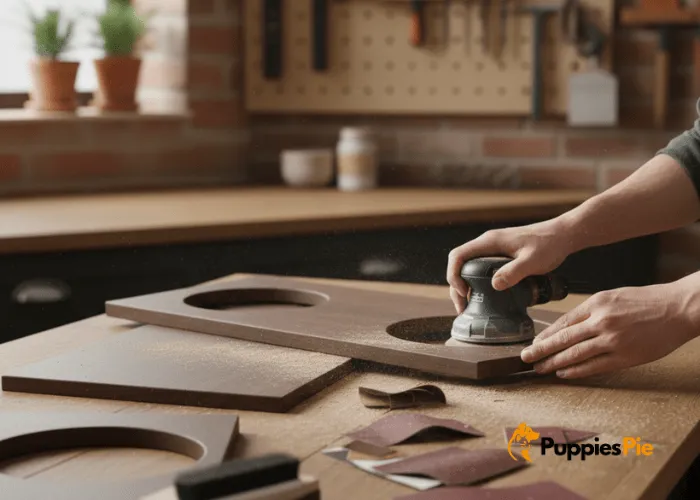
Before assembly, sand all the pieces of wood. Pay special attention to the edges and the inside of the bowl cutouts to ensure there are no splinters or rough spots. This gives the final product a professional, finished look.
Step 5: Assemble the Station
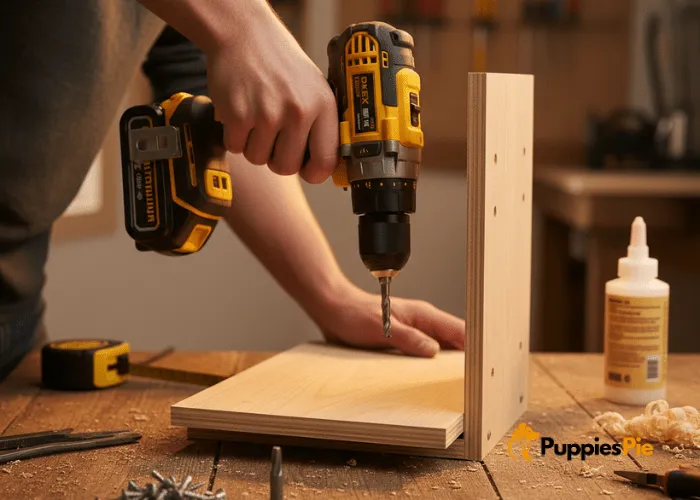
Use wood glue and screws to assemble the pieces. Attach the side pieces to the bottom piece first, then secure the top. Finally, screw the back piece into place. Use a drill to pre-drill holes to prevent the wood from splitting.
Step 6: Stain or Paint and Seal
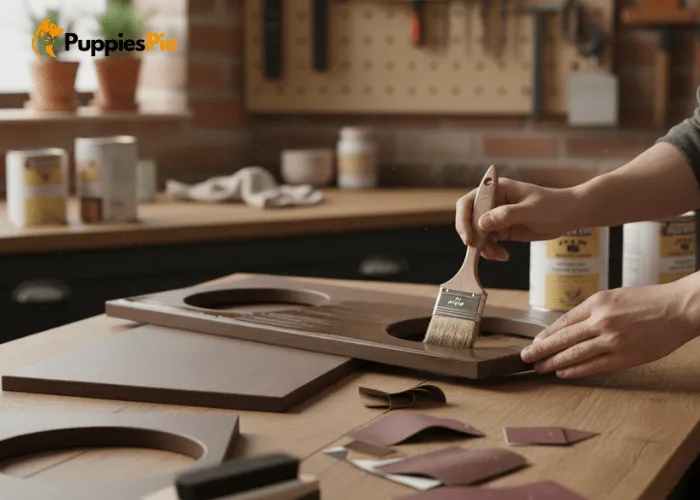
Now for the fun part! Apply your chosen stain or pet-safe paint. Once it’s dry, apply a waterproof sealer. This is a crucial step to protect the wood from spills. Apply several thin coats, allowing each to dry completely.
Step 7: Place the Bowls and Enjoy!
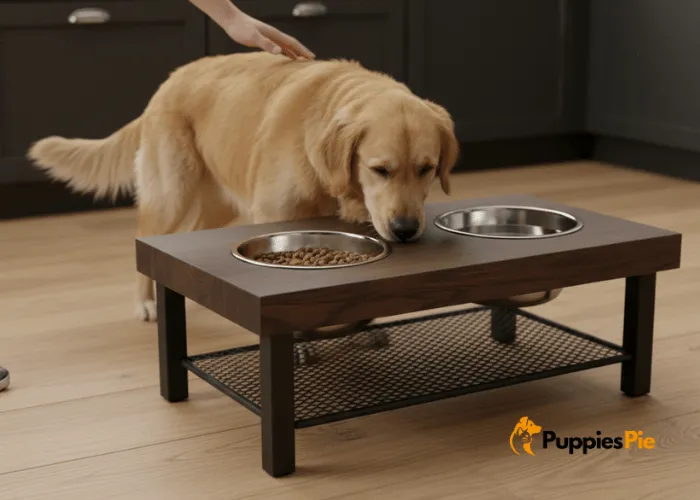
Once the sealer is fully cured and dry, place your stainless steel bowls in the holes. You can now introduce your dog to their new, beautiful feeding station!
Dog Care Insights & Feeding Station Use
Serving and Maintenance
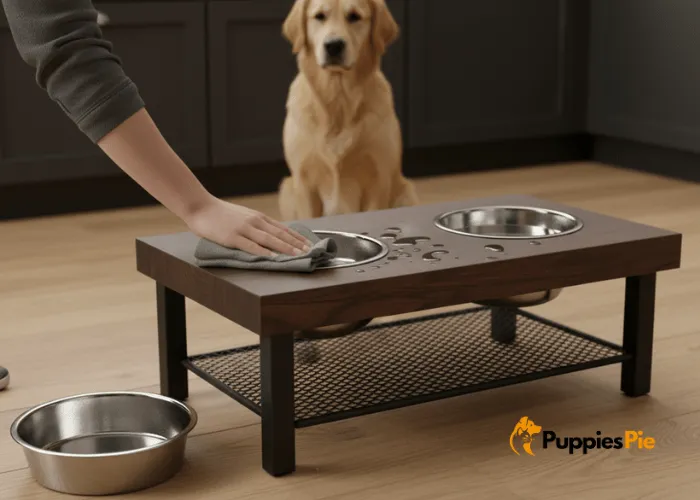
A feeding station makes serving meals a breeze. To keep it clean, wipe up any spills immediately. The sealed wood should be easy to clean. Removable bowls make for easy washing, which is essential for preventing bacteria buildup.
Choosing the Right Bowls
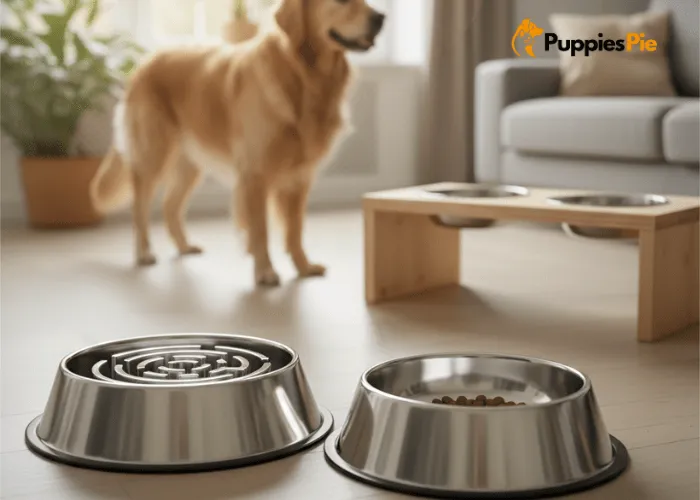
As mentioned, stainless steel is a top choice due to its durability and hygienic properties. It won’t leach chemicals into your dog’s food or water. For food, consider a slow-feed bowl if your dog is prone to gulping down meals. This is an excellent addition to any pet feeding station.
Variations and Personalization
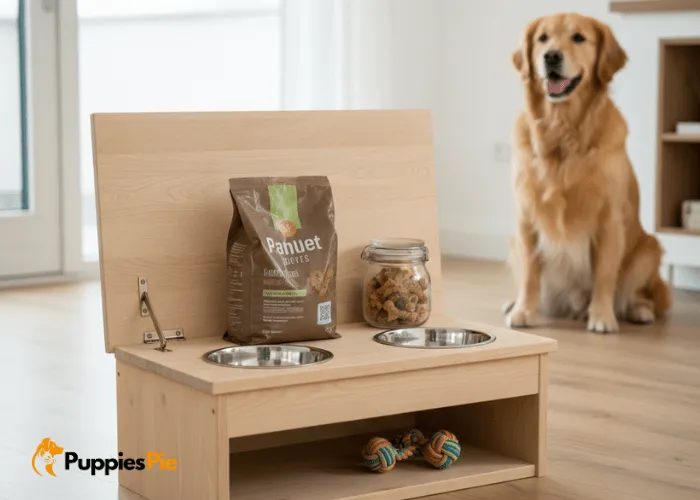
Adding Storage: For a station with storage, create a hinged lid on the top piece. Underneath, build a simple compartment to hold a bag of kibble, healthy dog treats, and homemade dog toys.
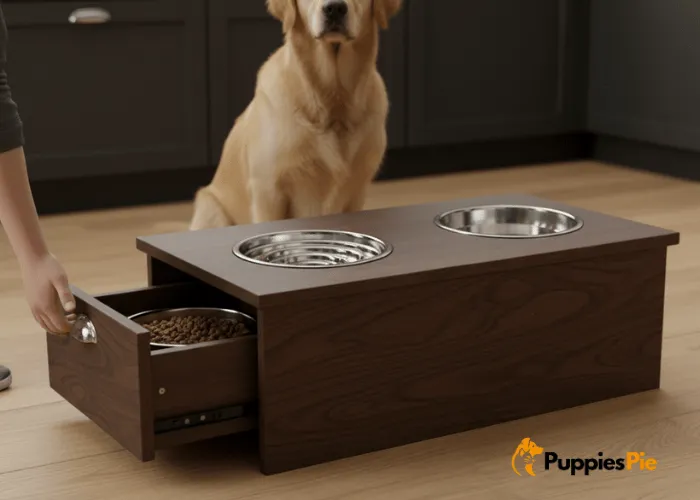
Drawer Design: If you’re an advanced DIYer, consider building a station with a pull-out drawer that holds the bowls. This keeps the space clean and the bowls hidden when not in use.
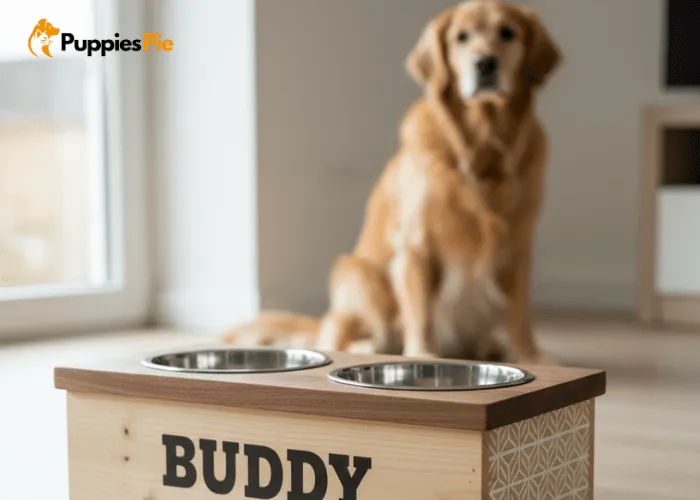
Unique Style: Personalize the station with a stencil of your dog’s name or a decorative pattern. You can even use different types of wood for a two-toned look.
Conclusion
Building a pet feeding station is a worthwhile project that offers numerous benefits for both you and your dog. It provides a comfortable, hygienic, and stylish solution for mealtime, transforming a cluttered corner into a functional and beautiful feature of your home.
By taking the time to customize the station to your dog’s specific needs, you’re not just creating a piece of furniture; you’re investing in your dog’s health and happiness. So, get your tools ready and embark on this rewarding DIY craft to show your furry friend some extra love.