Why Make a Homemade Dog Toy?
Ever notice how quickly a new dog toy can be shredded into a million pieces? Store-bought toys can be expensive, and they don’t always hold up to a determined chewer. Plus, you can’t always be sure what materials they’re made of. Making your own DIY dog toy gives you full control over the quality, durability, and most importantly, the safety of your pet’s playtime.
In this guide, you’ll learn how to create a durable and engaging DIY rope tug toy. This DIY dog craft is perfect for satisfying your dog’s natural instincts to chew and tug, providing both physical exercise and mental stimulation. We’ll show you how to choose the right materials and walk you through the simple, step-by-step process. This project is a great way to show your love for your pup and practice responsible dog care.
The Benefits of a Rope Tug Toy
Strengthening the Bond
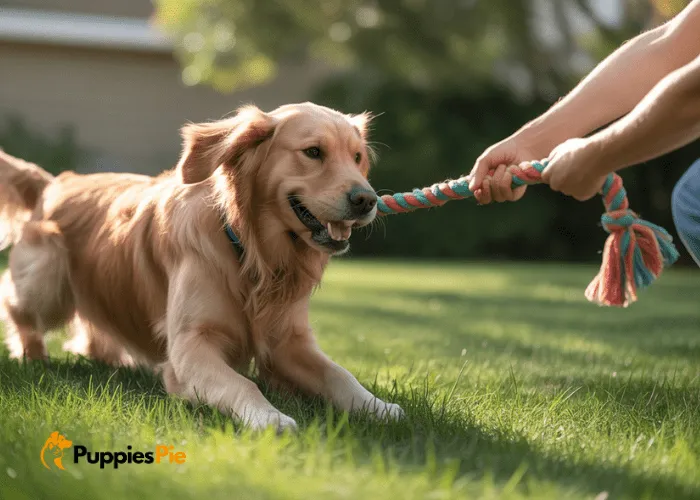
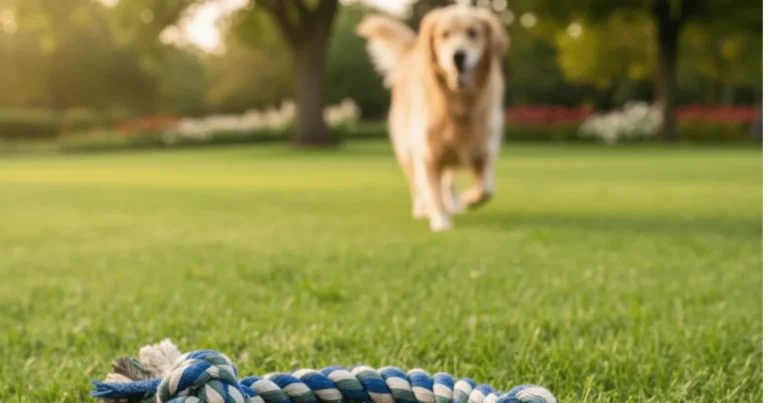
Tug-of-war is one of the best games you can play with your dog. It’s not just about exercise; it’s a powerful way to strengthen the bond between you and your pet. Playing together builds trust, reinforces positive behavior, and provides a fun outlet for their energy. A homemade dog toy makes this shared experience even more special.
Promoting Dental Health
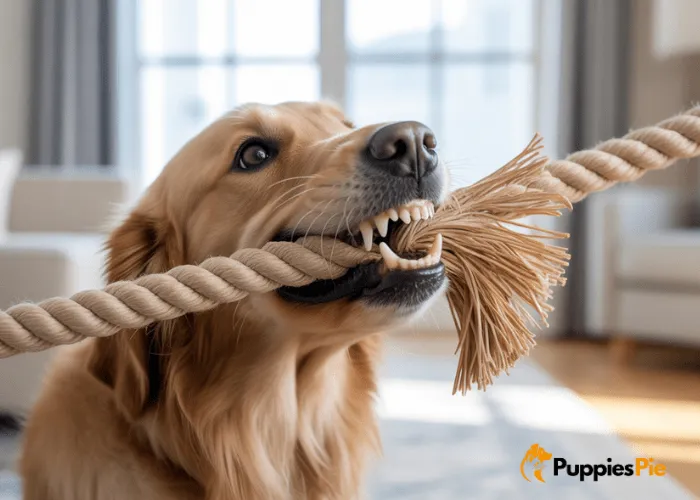
As your dog chews and tugs on the rope fibers, they act like a natural floss for their teeth. This friction helps to clean plaque and tartar buildup from their teeth and gums, contributing to better dental hygiene. While this shouldn’t replace regular dental care, it’s a fantastic bonus for their overall health.
Durable and Eco-Friendly
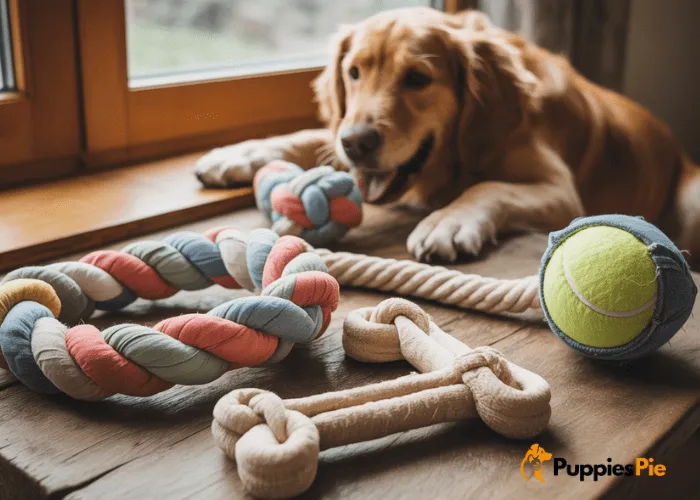
By using strong, natural materials, you can create a toy that lasts much longer than many commercial options. You can even use old T-shirts or towels, making this a great way to upcycle materials and reduce waste. It’s an eco-friendly approach to dog care that benefits both your wallet and the environment.
What You’ll Need: Your DIY Toolkit
This project is incredibly simple and requires only a few basic materials.
Main Materials
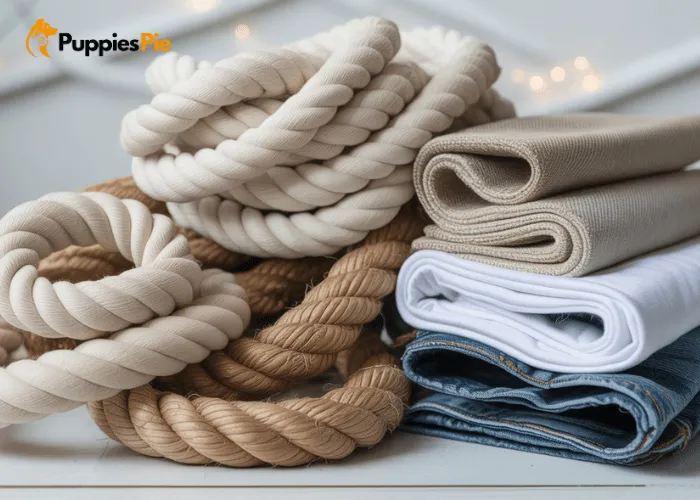
Rope or Fabric: The best options are natural fibers like 100% cotton rope, hemp rope, or thick cotton canvas. You can also use old, clean T-shirts or denim jeans. Avoid synthetic materials, as they can break down and pose a risk if ingested.
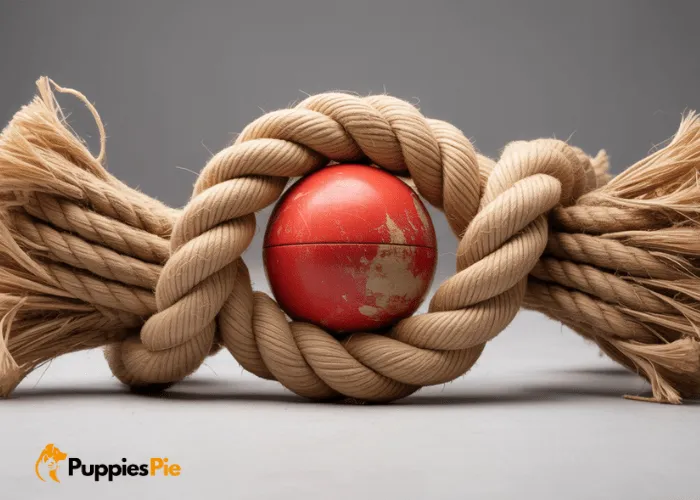
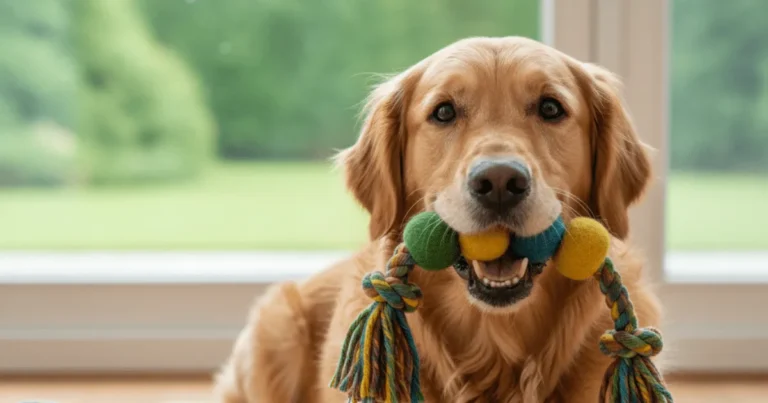
A Rubber Toy (Optional): You can integrate an old, sturdy rubber toy into the center of the braid to add an extra element of fun and chewing satisfaction.
Tools
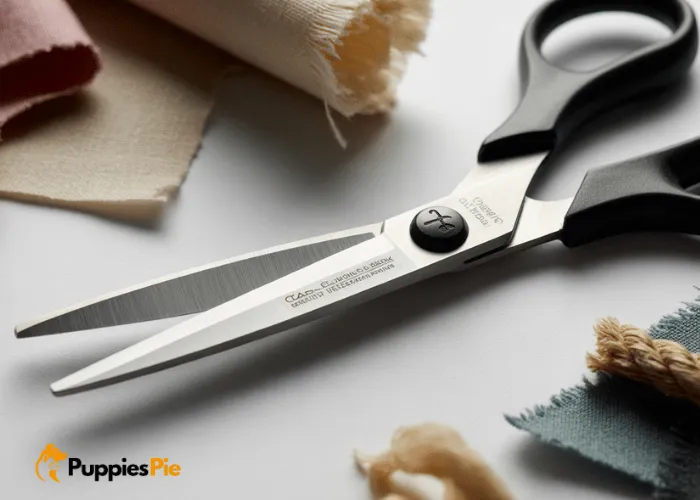
Sharp Scissors: To cut the rope or fabric. A strong pair of scissors is essential for clean cuts.
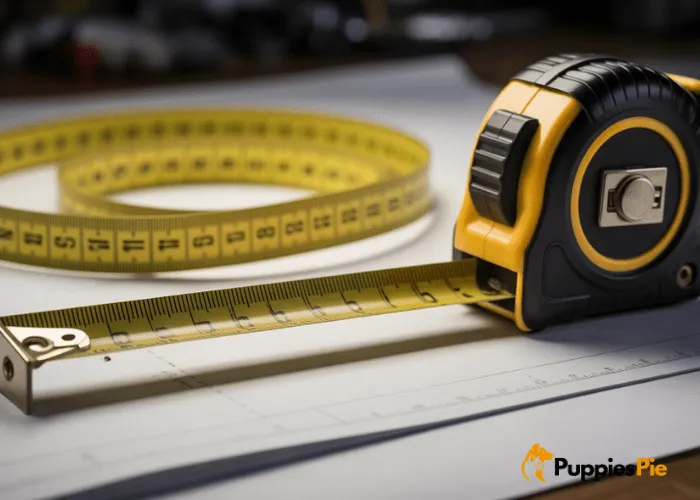
Measuring Tape: To get the correct length for your rope or fabric strips.
Important Note on Materials
When choosing your materials, always ensure they are safe for pets. Avoid anything with loose threads, small parts that can be chewed off, or synthetic materials that could splinter. Ensure any fabrics used are thoroughly washed and free of any chemical residue.
Step-by-Step DIY Guide to a Rope Tug Toy
Time Estimate: 15-30 minutes
Difficulty Level: Easy
Step 1: Choose and Prepare Your Material
For a simple rope tug, you’ll need a single length of rope, or if you’re using fabric, cut your material into long strips. For a medium-sized toy, we recommend three strips, each about 4-6 inches wide and 3-4 feet long. For a stronger, thicker toy, you can use more strips or a thicker rope.
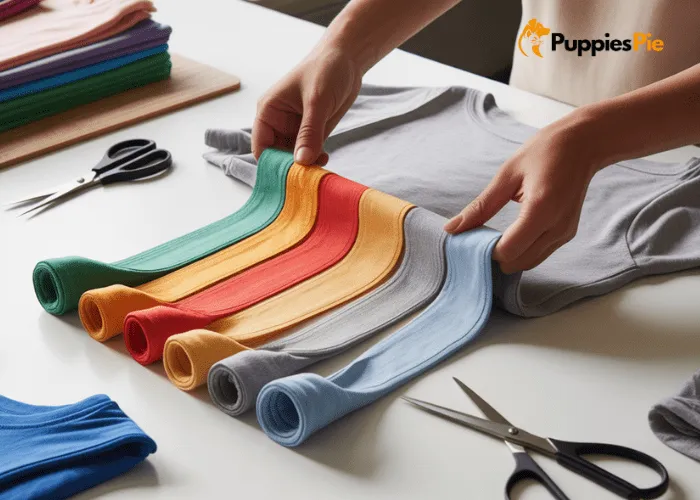
Pro-Tip: If you’re using old T-shirts, cut them into long strips and stretch them. The edges will curl inward, creating a soft, tube-like shape that is perfect for braiding.
Step 2: Start the Braid or Knot
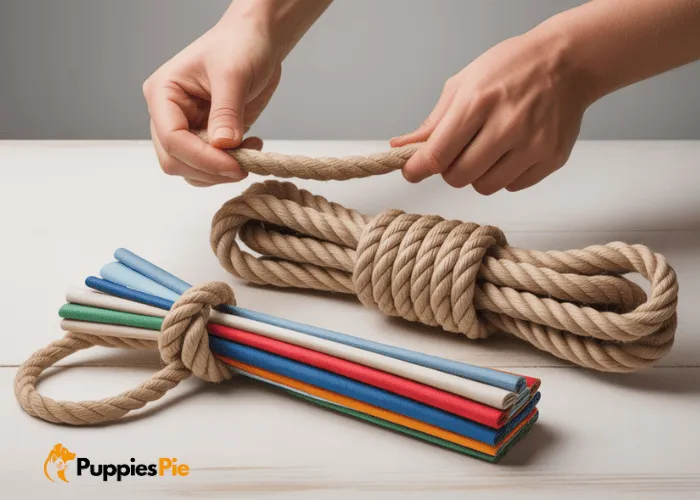
If you are using a single piece of rope, the easiest option is to tie a simple, large knot in the middle and smaller knots at each end. For fabric strips, gather the three strips and tie a tight knot at one end, leaving a small “handle” for you to hold.
Step 3: Braid the Strips
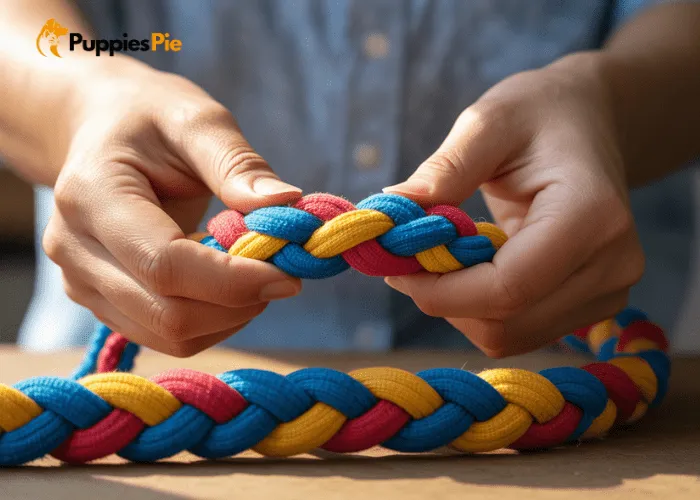
Begin braiding the strips. A simple three-strand braid is the most common and easiest to do. Keep the braid tight and even to ensure the toy is durable. Braid the strips all the way down to the end.
Step 4: Finish with a Secure Knot
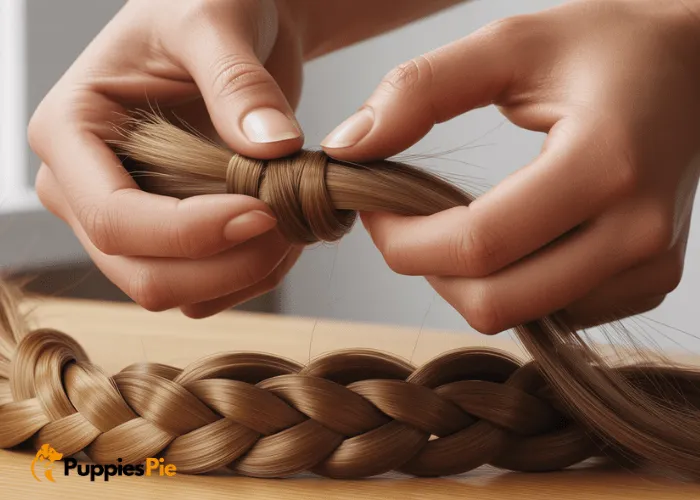
Once you reach the end of your braid, tie a very tight, secure knot. You can double-knot it to ensure it won’t come undone. You should have a knot at both ends of your braid.
Step 5: Trim the Ends
If your knots have excess fabric or rope, you can trim the ends. Leave a few inches of frayed material for a fun, tasseled look that your dog will love to chew on.
Step 6: Integrate a Rubber Toy (Optional)
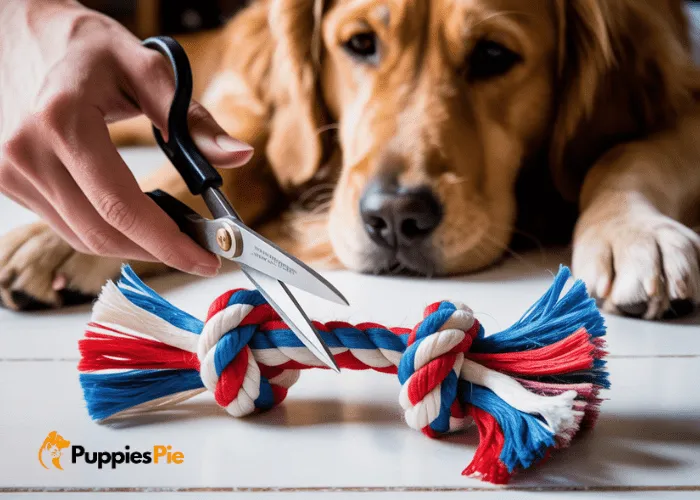
If you want to add a rubber toy, simply braid the rope around the rubber toy so that it is secure in the center of the braid. Make sure the knots are tight on either side of the toy so it cannot slip out.
Dog Care Insights & Tug Toy Play
Safe Playtime Practices
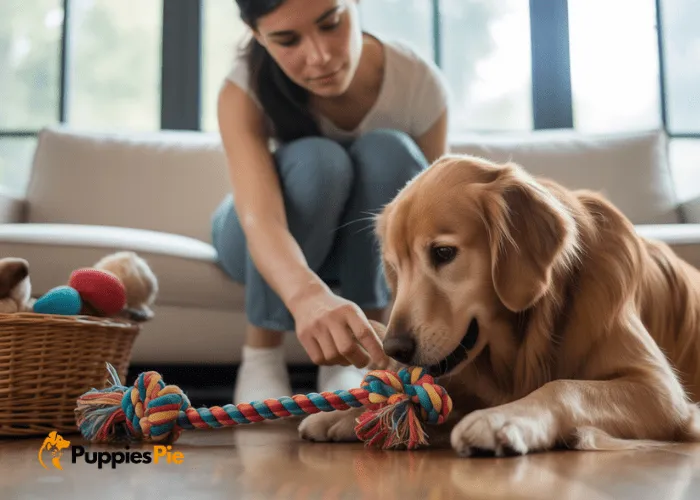
Always supervise your dog when they are playing with any toy, especially a new one. Watch for signs of wear and tear, and if the toy starts to come apart, it’s time to replace it. Never leave a dog alone with a toy that has loose pieces or could be a choking hazard.
Playing Tug-of-War Properly
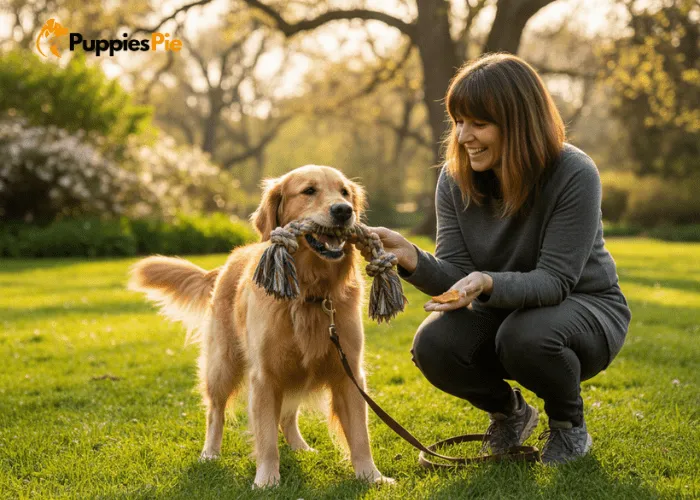
Contrary to popular belief, playing tug-of-war does not make a dog aggressive. In fact, it’s a great way to reinforce good manners and discipline. Teach your dog a “drop it” command. When they let go of the toy on command, praise them and reward them with a healthy dog treat. This teaches them that you are in control and makes the game more fun for both of you.
Variations and Personalization
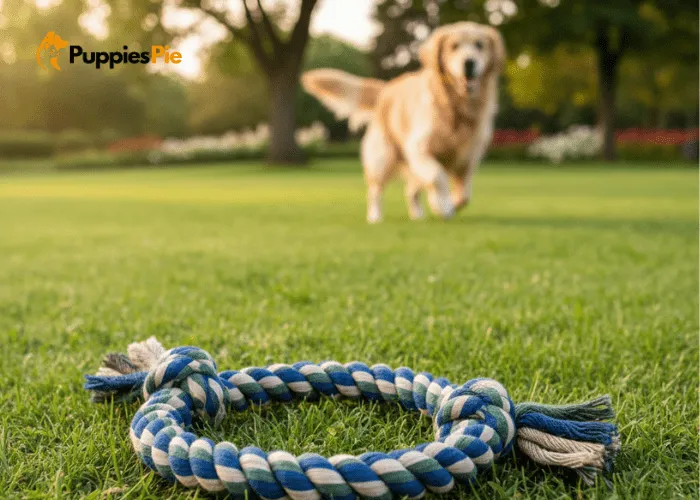
The Braid Ring: Instead of a straight braid, you can braid the rope in a circle and tie the ends together to create a ring-shaped toy. This is great for a game of fetch.
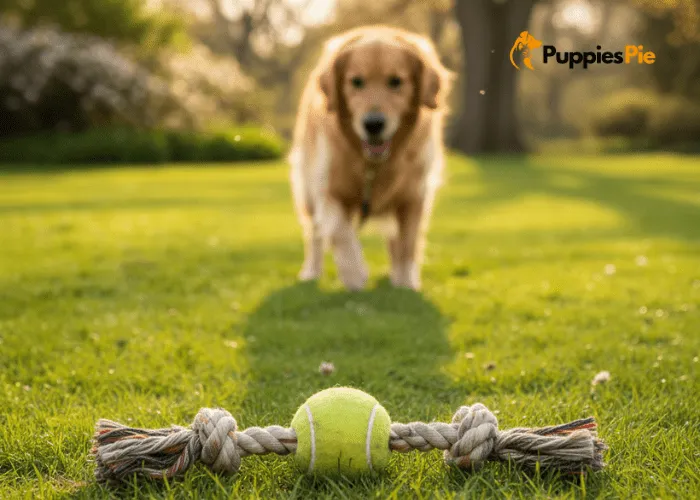
Adding a Ball: Use a thick rope and an old tennis ball. Poke a hole through the tennis ball and thread the rope through it, tying a secure knot on both sides to keep the ball in place.
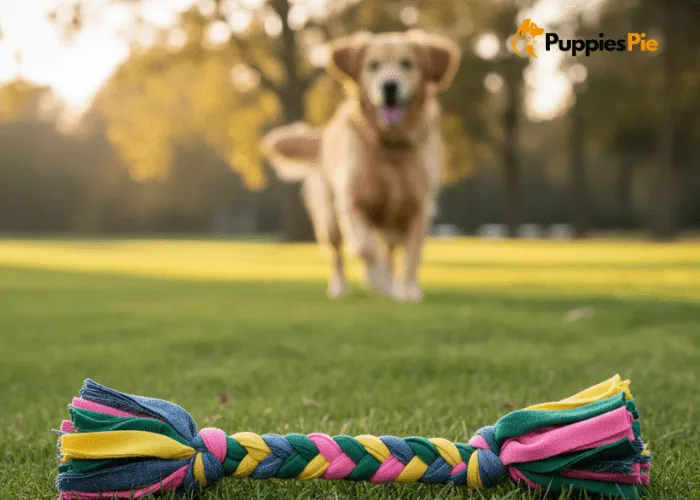
Multi-Material Toy: Braid different colored fabrics together for a fun, multicolored toy. You can also braid strips of denim with strips of fleece for a combination of textures.
Conclusion
Creating a DIY rope tug toy is a simple, cost-effective, and rewarding DIY craft that provides hours of fun for you and your dog. By choosing safe for pets materials and following a few simple steps, you can create a durable and engaging toy that promotes exercise, dental health, and a stronger bond between you and your furry companion.
Remember to always supervise playtime and replace the toy when it shows signs of significant wear. Enjoy the happy tail wags and healthy fun!