Every dog owner knows the struggle: you buy a new toy, and within days it’s shredded, frayed, or mysteriously missing a squeaker. Dogs love to chew, tug, and play rough, and that’s perfectly normal. But constantly replacing store-bought toys can get expensive fast.
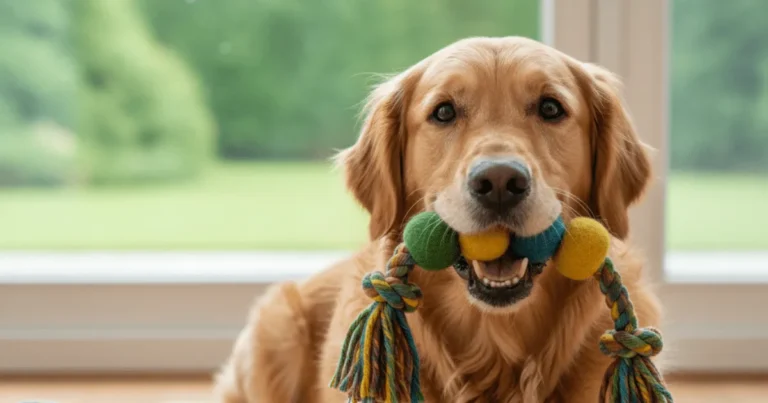
That’s where a DIY rope ball toy comes in. It’s sturdy, safe, and surprisingly easy to make at home using materials you probably already have. In this guide, you’ll learn step-by-step how to make a durable rope ball toy, what kind of rope is safest, and how to customize it to your dog’s size and play style.
H2: Why Make a DIY Rope Ball Toy for Your Dog
A rope ball toy isn’t just a cute craft project, it’s functional enrichment. Dogs need mental and physical stimulation every day, and toys like this meet both needs.
Here’s why it’s worth the effort:
Affordable: You can make one for a fraction of the cost of store-bought toys.
Eco-friendly: Use leftover rope or repurpose old cotton material instead of plastic.
Customizable: Adjust the size, thickness, and knot design for your dog’s age and bite strength.
Safe materials: You control what goes into it, no synthetic dyes or rubber that breaks apart easily.
Plus, it’s satisfying to see your dog playing with something you made by hand.
Safety First, Choosing the Right Rope Material
Not all rope is created equal. Some are designed for hardware use and contain chemicals or fibers that are unsafe if chewed. Your first priority should be safety and durability.
Here’s what to know before you start:
Safe options:
1. 100% cotton rope: Soft, natural, and non-toxic. Great for most dogs.
2. Hemp rope: Eco-friendly and naturally resistant to bacteria.
3. Jute rope: Rougher texture that can help clean teeth but frays more easily.
Avoid:
1. Nylon or polypropylene rope, it melts under friction and can cause mouth burns.
2. Ropes with synthetic dyes or coatings.
3. Old ropes that have come in contact with chemicals or oil.
A natural cotton rope is the best all-around choice, safe, easy to work with, and strong enough for a good game of tug-of-war.
Materials You’ll Need for Your DIY Rope Ball Toy
You don’t need special tools or advanced crafting skills for this project. Gather these simple items:
- 1 length of cotton rope (about 3 to 4 feet for a medium-sized ball)
- Scissors
- Lighter or tape (for sealing the rope ends)
- Optional: Natural food dye if you want to color the rope safely
That’s it, minimal tools, maximum fun.
Step-by-Step Guide to Making a Rope Ball Toy
Making your own rope ball might sound complicated, but it’s really just a clever series of knots. Follow this step-by-step process and you’ll have a durable toy in no time.
Step 1: Measure and Cut the Rope
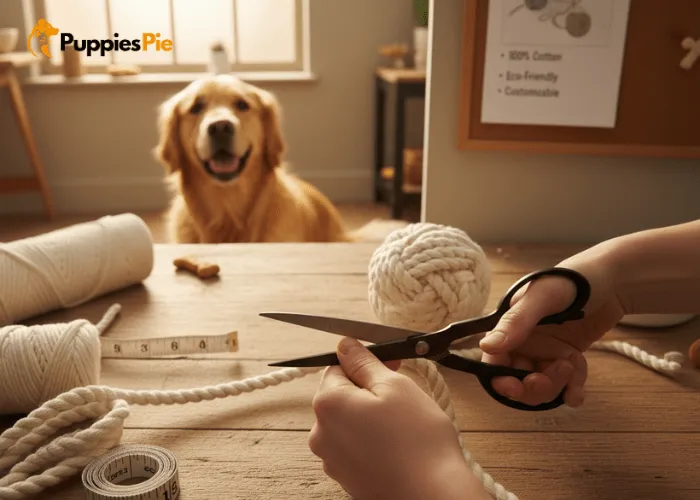
Cut your rope to about 3–4 feet. Shorter for small dogs, longer for larger ones. You can always trim the ends later.
Step 2: Seal the Ends
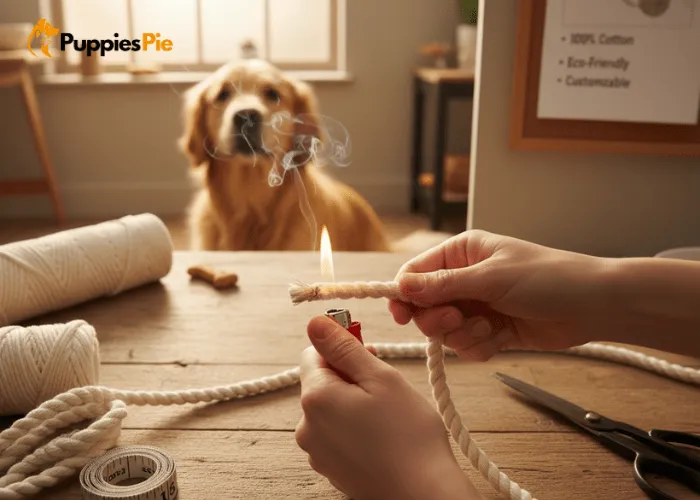
If your rope starts to fray, lightly melt the tips with a lighter (for synthetic-free cotton, wrap tape around the ends instead). This keeps your toy tidy and durable.
Step 3: Start the First Loop
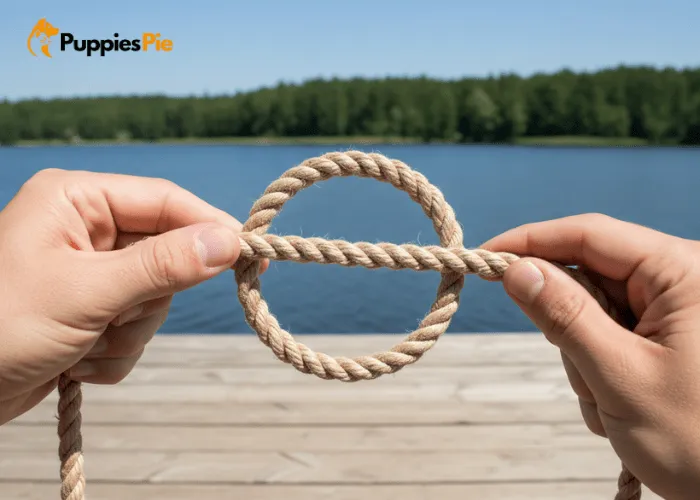
Hold the rope horizontally and form a loop about 3 inches wide. The working end should cross over the standing part, creating a small circle.
Step 4: Create the First Knot

Wrap the working end around the loop twice, then pull it through the bottom of the loops. This is the start of the classic monkey fist knot, the heart of the rope ball.
Step 5: Add a Second Layer of Loops
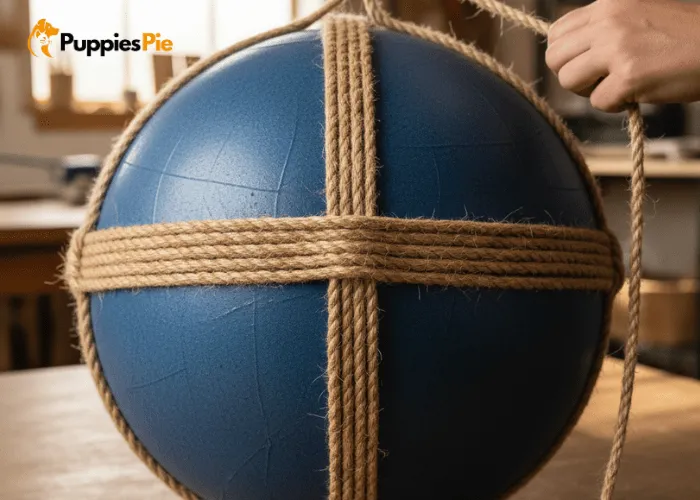
Wrap the rope around the ball from another angle, think north-south if your first wraps were east-west. Keep your loops tight and evenly spaced.
Step 6: Insert the Center Core (Optional)
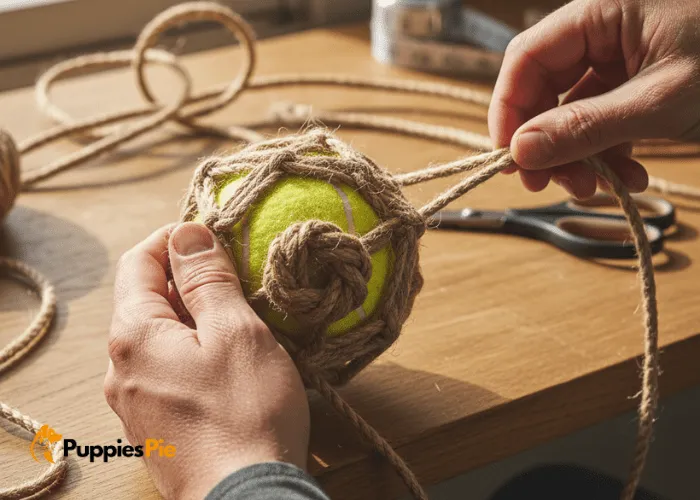
If you want the ball to be heavier or bounce slightly, you can place a small tennis ball or knot of rope in the center before tightening everything.
Step 7: Tighten and Shape the Ball

Gently pull on each loop in sequence, tightening them bit by bit. Don’t rush this part, even tension gives the ball its perfect round shape.
Step 8: Secure the Ends
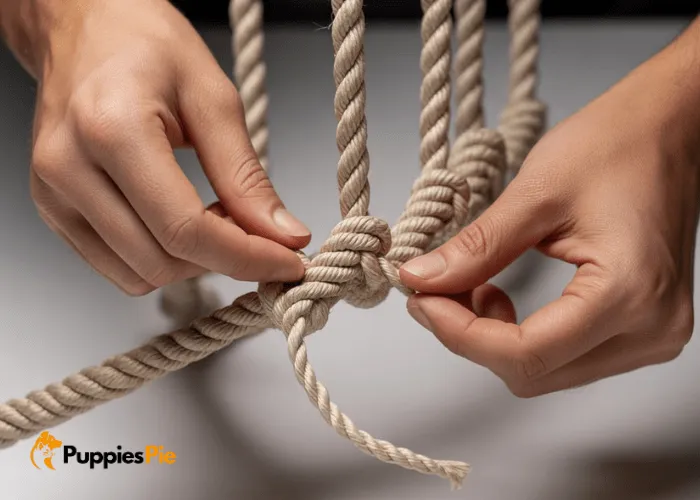
Once tight, you can tuck the loose ends under the nearest loops or tie a small overhand knot to keep them secure.
How to Customize Your Rope Ball Toy
Part of the fun of DIY projects is making them your own. You can personalize your rope toy in several ways:
- Small dogs → Use thinner rope and smaller loops.
- Large breeds → Go thicker and longer for durability.
Add a handle:
Leave an extra foot of rope after your ball knot to create a tug handle. Tie a large knot at the end or braid the rope for extra grip.
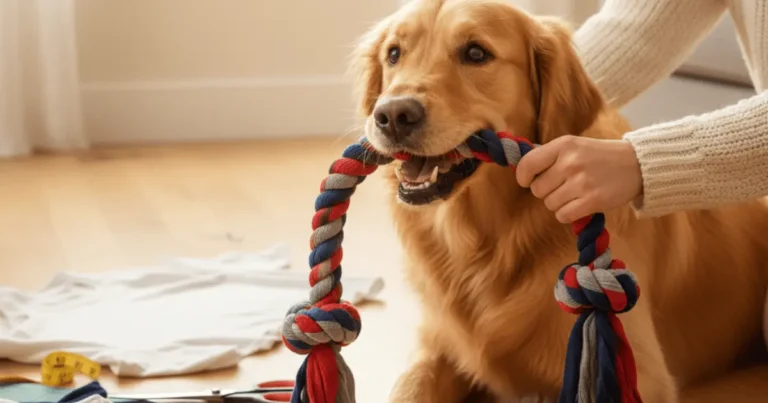
If you like easy upcycled projects, you can also try making a Tug Toy (Old T-Shirt), a fun and durable option created from materials you already have at home.
Make it colorful:
Soak your rope in a natural dye bath made from beet juice, turmeric, or spinach water. Dry it completely before knotting.
Add scent:
Rub the finished toy lightly with coconut oil or chicken broth for an enticing smell.
These tweaks make the toy both fun and personalized for your dog’s play style.
Benefits of Rope Toys for Dogs
Rope toys aren’t just fun, they’re beneficial for your dog’s physical and dental health.
- Dental health: The natural fibers act like dental floss, gently scrubbing plaque as your dog chews.
- Stress relief: Chewing helps release endorphins, keeping dogs calm and happy.
- Exercise: Tug-of-war and fetch with a rope ball build strength and coordination.
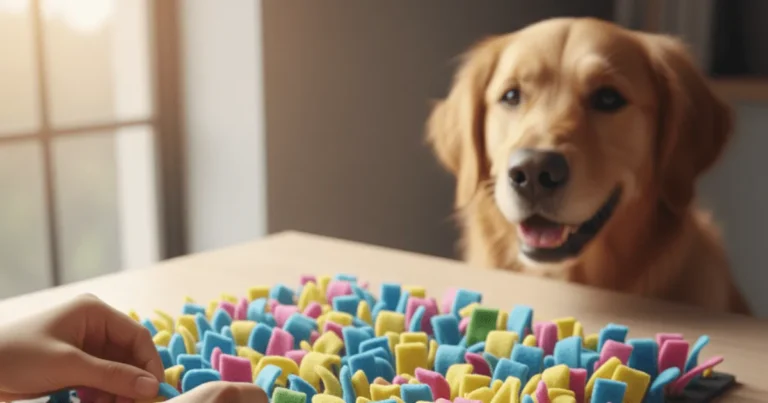
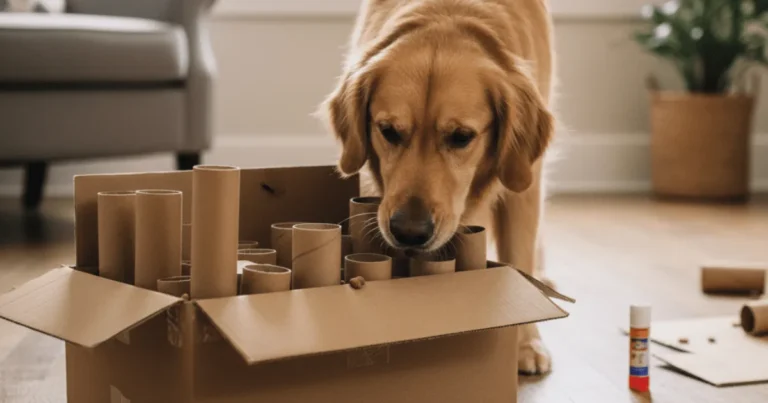
- Mental stimulation: Figuring out how to grab, pull, or toss the toy engages your dog’s mind.For even more mental enrichment, you might also enjoy making a DIY Scented Snuffle Mat, which encourages natural sniffing and foraging behaviors.
It’s enrichment and exercise rolled into one, the canine version of a gym membership.
Supervision and Safety Tips
Even the safest toys can become risky if not monitored. Here’s how to keep playtime safe:
- Supervise new toys: Watch the first few play sessions to see how your dog handles it.
- Inspect regularly: If the rope frays too much or pieces start to come off, retire it immediately.
- Choose size wisely: A ball too small can be a choking hazard; too large and your dog might ignore it.
- No soaking: Wet rope can grow mold. If the toy gets dirty, hand wash it and dry it completely before play.
Always keep a close eye, especially with powerful chewers like pit bulls or shepherds.
How to Clean and Maintain the Rope Ball Toy
Rope toys get slobbery fast, so cleaning them regularly keeps them safe.
To clean:
1. Soak in warm water mixed with a splash of apple cider vinegar.
2. Let it sit for 10–15 minutes.
3. Rinse thoroughly and air-dry completely.
Avoid machine washing or drying, it can unravel the knots.
If your rope starts to fray or smells bad even after washing, it’s time to make a new one. The beauty of DIY? You can whip up a replacement anytime.
Rope Ball Variations for Different Dogs
Every dog plays differently, so consider these variations based on breed and temperament:
For heavy chewers:
1. Use thick hemp rope or double layers.
2.Avoid adding tennis balls, as aggressive chewers might tear through them.
For small breeds:
1. Stick to soft cotton rope under ½ inch thick.
2. Make a smaller knot that fits comfortably in their mouth.
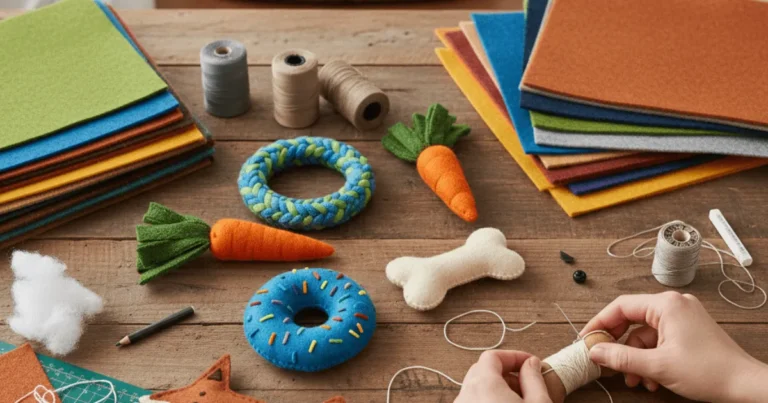
For small or gentle chewers, a Felt Ball Dog Toy is another soft and lightweight option that’s simple to make and gentle on the teeth.
For fetch lovers:
1. Attach a longer rope tail for easy throwing.
2. Consider weaving in reflective thread for evening play.
For teething puppies:
1. Freeze the finished toy slightly damp.
2. The cold helps soothe sore gums.
A few adjustments can make the same basic toy perfect for any dog.
Common Mistakes to Avoid When Making a Rope Toy
It’s easy to make a rope toy, but a few small errors can shorten its lifespan or make it unsafe. Avoid these pitfalls:
- Using synthetic rope that melts under friction.
- Making loose knots that fall apart easily.
- Adding unsafe cores like rubber balls that can split and be swallowed.
- Ignoring size and bite strength when measuring the rope.
A well-made toy should be firm, tight, and chew-safe, not decorative.
Why Dogs Love Rope Toys So Much
Dogs are natural hunters and problem solvers. Tugging, shaking, and chewing mimic their instinct to capture prey. A rope ball gives them the satisfaction of using those instincts safely.
The texture of the rope also feels great on their gums, especially for teething puppies. And for dogs that get anxious or bored, chewing helps release tension. It’s enrichment that taps directly into canine psychology.
The Eco-Friendly Advantage of DIY Dog Toys
Commercial toys are often made from plastic or synthetic rubber, materials that take hundreds of years to decompose. When you make your own rope toy, you’re cutting down waste.
- Use biodegradable materials like hemp or cotton.
- Repurpose old clothes or linens by braiding strips together.
- Skip plastic packaging altogether.
You’ll end up with a toy that’s better for your dog and the planet.
How Often Should You Replace Rope Toys?
A homemade rope toy’s lifespan depends on how intense your dog’s play style is. As a general rule:
- Light chewers → Replace every 2–3 months.
- Moderate chewers → Every 4–6 weeks.
- Heavy chewers → Check weekly; replace at first signs of fraying.
It’s better to replace it often than risk your dog swallowing loose fibers.
Quick Recap, Why DIY Rope Ball Toys Are Worth It
- Cost-effective and easy to make.
- Safer than plastic or rubber toys.
- Customizable to your dog’s needs.
- Cleans teeth while your dog plays.
- Eco-friendly and sustainable.
For the price of a cup of coffee, you can create hours of enrichment and fun for your furry friend.
Conclusion
A rope ball toy DIY project is one of the simplest and most rewarding ways to create joy for your dog. It costs next to nothing, takes under an hour, and gives your dog a safe, durable toy that keeps them happy and healthy.
So grab that rope, roll up your sleeves, and make playtime personal. Your dog won’t care that it’s homemade, but they’ll definitely love that it came from you.