Why Make Homemade Frozen Dog Treats?
As the temperatures rise, you might find yourself reaching for a cool, refreshing treat. But what about your furry best friend? Store-bought dog ice creams and frozen treats can be full of sugar, preservatives, and other ingredients that aren’t ideal for your pup’s health. What if you could create a delicious, hydrating, and perfectly healthy dog treat at home using simple, natural ingredients?
In this comprehensive guide, you’ll learn how to make frozen fruit cubes for dogs. This project is a fantastic DIY dog craft that requires minimal effort and provides maximum reward. We’ll cover everything from the best fruits to use to how to serve them safely. This is more than just a recipe; it’s a way to enhance your dog care routine with a cool, healthy snack.
The Benefits of Frozen Treats for Dogs

Cooling Down and Hydration
On a hot day, a frozen treat helps your dog stay cool and hydrated. Water-rich fruits like watermelon and strawberries are excellent for this purpose. Offering a few frozen cubes after a walk can help your dog regulate their body temperature and replenish fluids, making it a key part of responsible dog care during summer months.
If your dog loves icy summer snacks, you can also try our Frozen Yogurt Popsicles, another cooling and hydrating treat they’ll enjoy.
Enrichment and Fun
These frozen cubes aren’t just about cooling down; they provide mental stimulation and enrichment. The act of licking and nibbling the frozen cube can keep your dog occupied and engaged. You can even hide a small piece of kibble or a favorite biscuit inside the cube to turn it into a fun puzzle. This simple activity helps combat boredom, which is crucial for a dog’s mental health.
Nutrient-Rich and Guilt-Free
Unlike many commercial treats, these healthy dog treats are packed with vitamins and antioxidants from real fruit. They are a low-calorie alternative that you can feel good about giving to your dog. Using fruits that are safe for pets, you can be sure you’re providing a snack that’s both tasty and beneficial.
What You’ll Need: Your DIY Kitchen Kit
Creating these treats is incredibly simple and requires only a few basic items you likely already have.
Main Ingredients
Dog-Safe Fruits: The best fruits are those that are safe and healthy for dogs. Good options include:
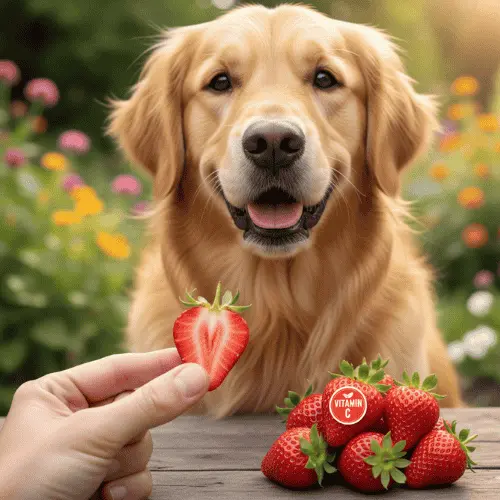
Strawberries: Rich in Vitamin C.
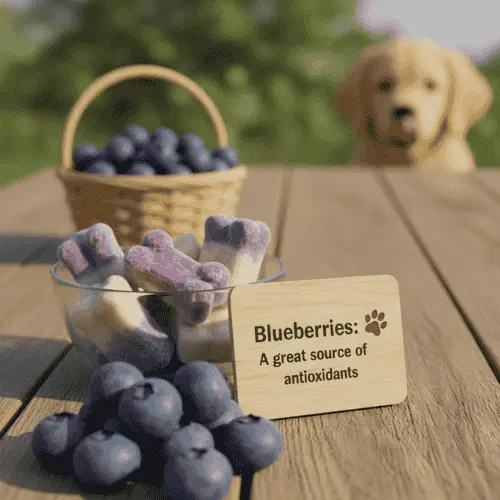
Blueberries: A great source of antioxidants.
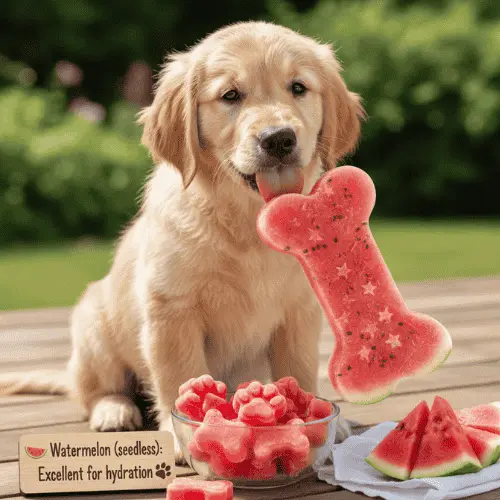
Watermelon (seedless): Excellent for hydration.
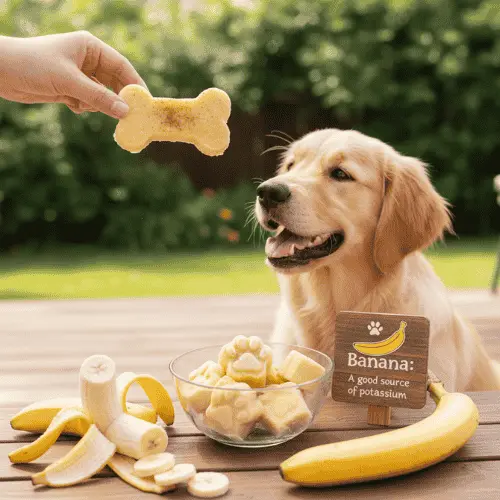
Banana: A good source of potassium.
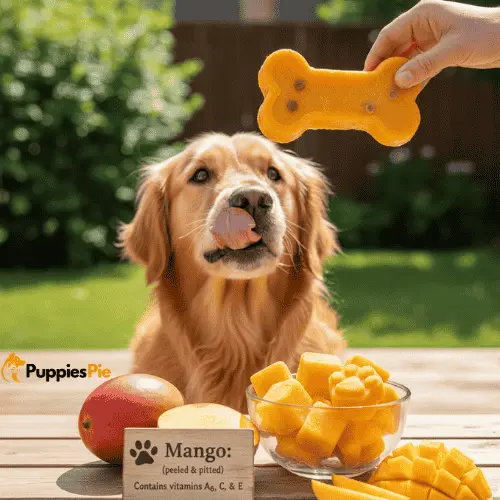
Mango: (peeled and pitted) Contains vitamins A, B6, C, and E.
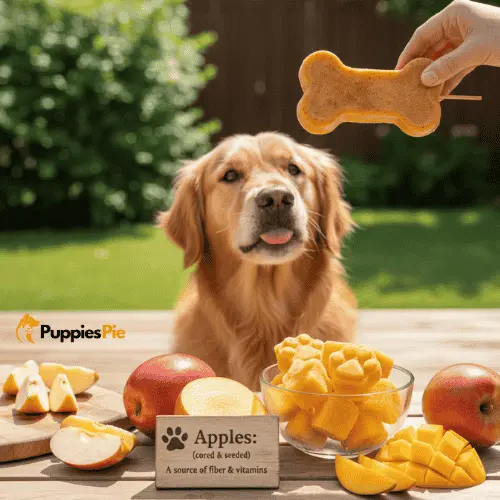
Apples: (cored and seeded) A source of fiber and vitamins.
Water or Yogurt: You can use plain water to make simple fruit-infused ice cubes. For a creamier, probiotic-rich treat, use a small amount of plain, unsweetened yogurt (Greek yogurt is a great choice) or a pet-safe bone broth.
Tools

Blender or food processor: To purée the fruit into a smooth mixture.
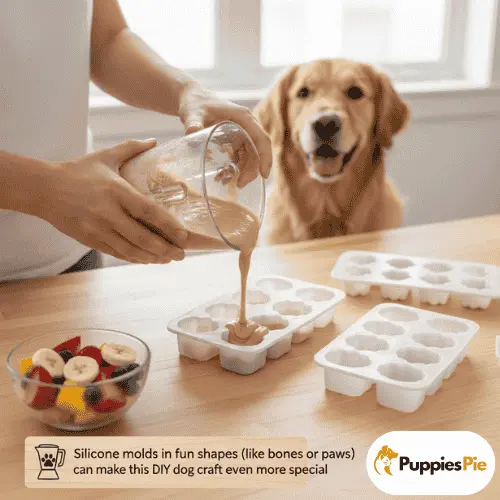
Ice cube tray or silicone molds: Silicone molds in fun shapes (like bones or paws) can make this DIY dog craft even more special.
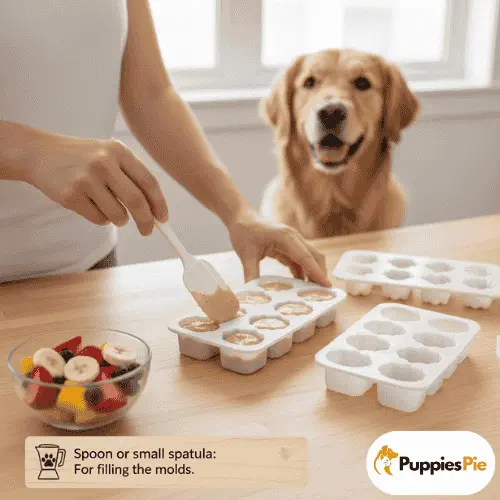
Spoon or small spatula: For filling the molds.
Important Note on Ingredients
Always ensure you are using fruits that are safe for pets. Avoid grapes, raisins, and cherries (due to their pits), as they are toxic to dogs. Always remove seeds, cores, and pits before blending.
Step-by-Step DIY Guide to Frozen Fruit Cubes
Time Estimate: 10 minutes (plus 2-4 hours to freeze)
Difficulty Level: Super Easy
Here’s how you can make these delicious treats for your pup in no time!
Step 1: Wash and Prepare Your Fruit
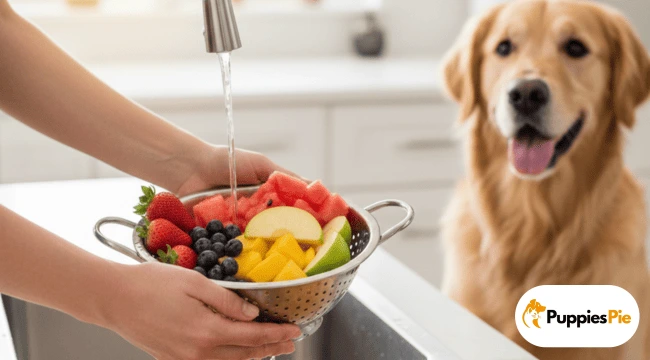
Thoroughly wash the fruit. If you’re using watermelon, remove all the seeds. For apples, remove the core and seeds. For mango, peel the skin and remove the large pit.
Step 2: Blend the Ingredients
Place your prepared fruit into a blender. Add a small amount of water or plain yogurt to help it blend into a smooth purée. A little liquid goes a long way.
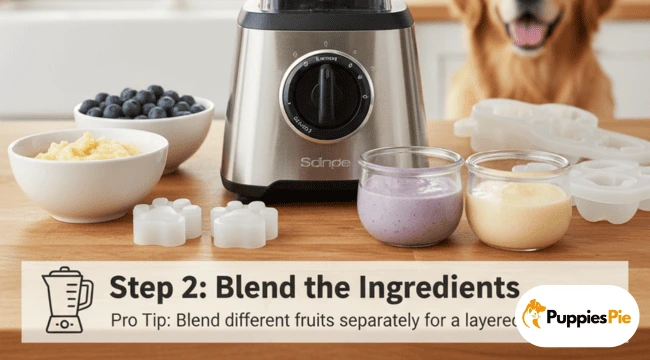
Pro Tip: For a layered look, you can blend different fruits separately and pour them in layers into the ice cube tray. For example, a layer of blueberry purée and a layer of banana purée.
Step 3: Pour into Molds
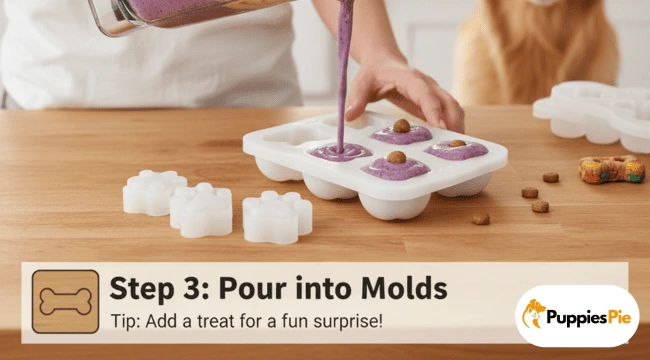
Carefully pour the fruit mixture into your ice cube tray or silicone molds. Fill each mold to the top. If you’re adding a special touch, now is the time to drop in a small treat or a piece of kibble.
Step 4: Freeze
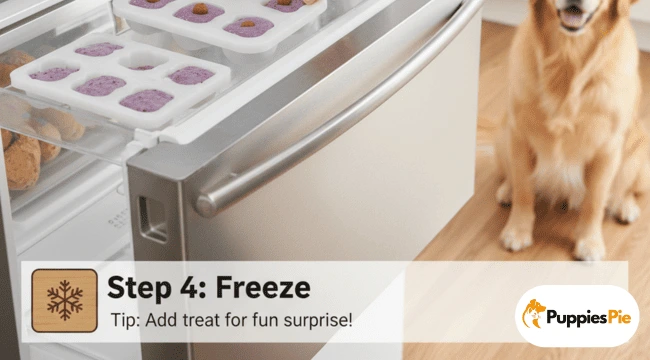
Place the tray in the freezer. Allow them to freeze completely, which usually takes about 2 to 4 hours, depending on the size of your cubes.
Step 5: Serve and Store
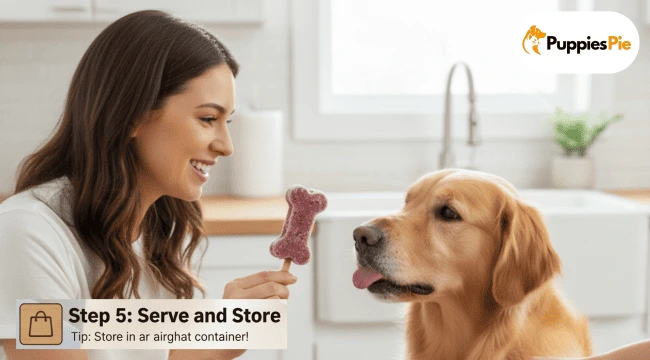
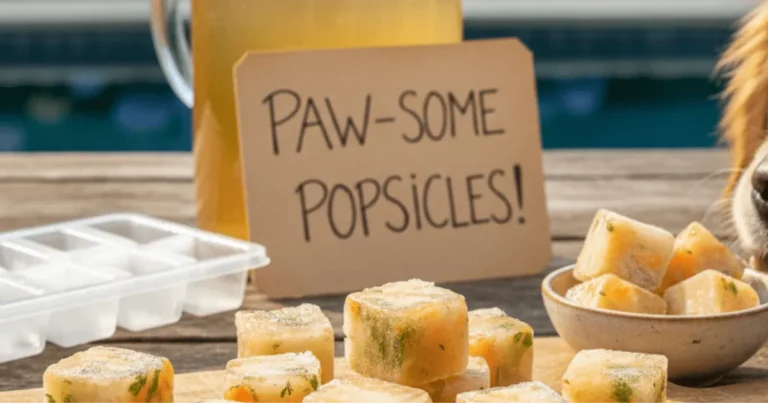
Once frozen solid, pop the cubes out of the tray. Serve one or two to your dog, depending on their size. Store the remaining cubes in an airtight container or a freezer-safe bag in the freezer for up to one month.
For a more savory and nutritious option, you might also enjoy making Frozen Pumpkin Dog Snacks, perfect for dogs who love rich, creamy flavors.
Dog Care Insights & Treat-Giving
Treats as Part of a Balanced Diet
These frozen fruit cubes are a great addition to your dog’s diet, but they should be given in moderation. Treats, even healthy dog treats, should not make up more than 10% of your dog’s daily caloric intake. This is especially true for small dogs.
Vet-Approved Recommendations
Always introduce new foods slowly to avoid upsetting your dog’s stomach. If your dog has a sensitive stomach or a pre-existing health condition like diabetes, consult with your vet before giving them new treats. Your vet can provide guidance on appropriate portion sizes and the best ingredients for your dog’s specific needs.
Personalization and Presentation
Creative Twists for Your Dog
You can easily adapt this recipe to suit your dog’s preferences.
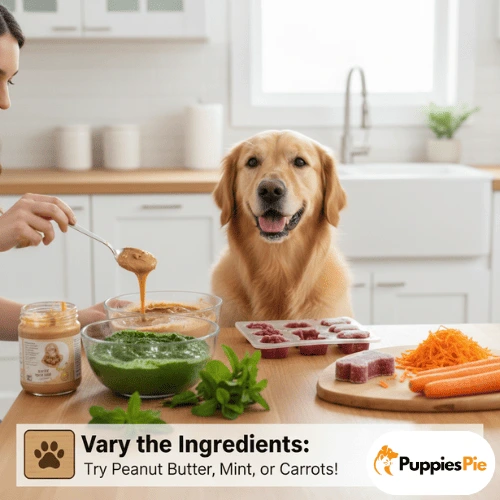
Vary the Ingredients: Instead of just fruit, try adding a spoonful of peanut butter (make sure it’s xylitol-free!), a sprig of mint for fresh breath, or even a few carrots for added crunch and vitamins.
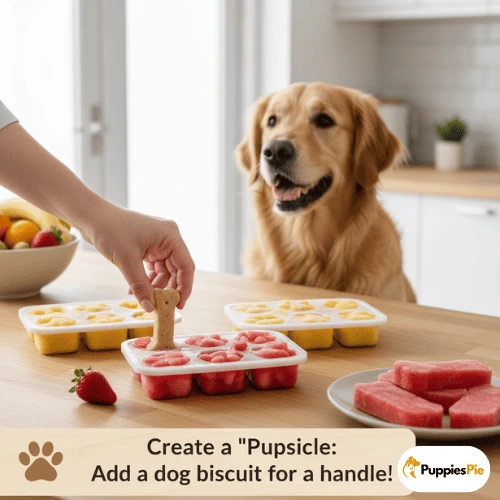
Create a “Pupsicle”: Place a small dog biscuit or a bully stick into the mold before freezing to create a handle, turning the cube into a fun “pupsicle.” if your pup enjoys crunchy snacks, our Peanut Butter Dog Biscuits make a perfect companion treat alongside these frozen fruit cubes.
How to Serve It Safely
Always supervise your dog when they’re enjoying a frozen treat. This prevents any potential choking hazards, especially if your dog is a fast eater. Serving the treat on a towel or a mat can also help contain any mess from the melting cube.
Variations & Troubleshooting

For Picky Eaters: If your dog isn’t interested, try using a small amount of pet-safe bone broth instead of water. The savory flavor might be more appealing to them.
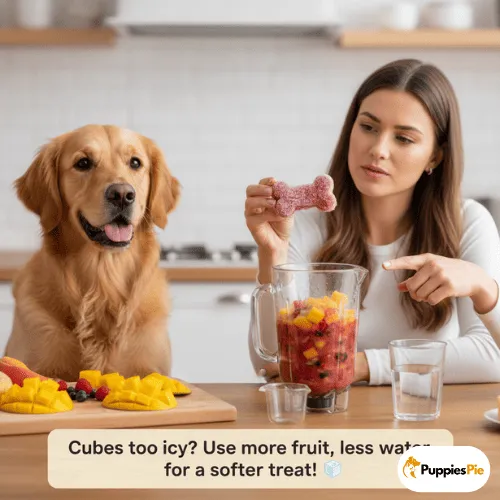
The cubes are too hard. If your cubes are too icy, add more fruit and less water to the mixture. A higher fruit content will make them a little softer.
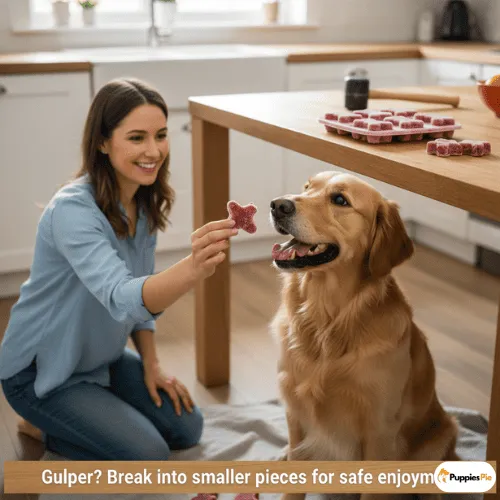
My dog gulps it down! If your dog tries to swallow the cube whole, you can break it into smaller, more manageable pieces before serving.
Conclusion
Making frozen fruit cubes for your dog is an easy, fun, and healthy way to show them some love. This simple DIY dog craft not only provides a refreshing snack but also contributes to their hydration and mental enrichment.
By using ingredients that are safe for pets, you can be confident you’re giving your dog a high-quality treat that they will adore. So, on the next hot day, skip the store-bought snacks and whip up a batch of these simple, delightful frozen cubes. Your furry friend will thank you for it with a happy tail wag!