If your dog tends to get restless, anxious, or bored, a lick mat can work wonders. These clever little mats encourage licking, an activity that naturally soothes dogs and keeps them mentally engaged. But store-bought lick mats can be pricey or poorly made, which is why many pet owners prefer to make their own.
Creating a lick mat at home is simple, affordable, and completely customizable. You can choose your own materials, tailor it to your dog’s needs, and even make multiple mats for different snacks or moods. In this guide, we’ll walk through how to make a lick mat from scratch, what materials are safest, and how to use it effectively. By the end, you’ll have a handmade enrichment tool your dog will absolutely love.
What Is a Lick Mat and Why It Works
A lick mat is a flat surface with grooves or textures that hold soft food or treats. Dogs lick the mat repeatedly to get the food out, turning snack time into a calming mental workout.
Here’s why it’s such a powerful tool:
1. Licking reduces anxiety. It releases endorphins that calm your dog’s nervous system.
2. It slows down eating. Great for dogs that gulp food too fast.
3. Promotes focus and relaxation. Especially useful during grooming, vet visits, or crate training.
4. Provides enrichment. A lick mat challenges your dog to problem-solve and stay engaged.
Making one at home allows you to choose materials that are safe, easy to clean, and tailored to your pet’s personality.
Benefits of Making a DIY Lick Mat
Store-bought lick mats can cost anywhere from $10 to $30 and don’t always last long. DIY versions are cheap, customizable, and surprisingly fun to make.
Here’s what makes DIY lick mats a great idea:
1. Cost-effective: Most can be made using common household items.
2. Eco-friendly: Reuse or upcycle materials instead of buying new plastic.
3. Customizable: Adjust the size, depth, and texture for your dog’s preferences.
4. Bonding experience: Making and testing it together strengthens your connection.
5. Safe ingredients: You control exactly what touches your dog’s food.
Once you understand the basics, you can get creative, using everything from silicone trivets to muffin trays to craft unique mats for different uses.
Materials You Can Use to Make a Lick Mat
You don’t need fancy tools. A good lick mat just needs a safe texture and a sturdy base that can handle moisture.
Safe and Easy Material Options:
1. Silicone trivet or baking mat: Heat-resistant, flexible, and non-toxic.
2. Plastic cutting board: Smooth surface; add texture with non-toxic glue dots or ridges.
3. Rubber sink mat: Already has bumps and holes perfect for spreading treats.
4. Old Tupperware lids: Great base for quick makeshift mats.
5. Muffin tray: Each cup acts like a mini lick zone for portion control.
Avoid using materials that can crack, chip, or contain harmful chemicals, such as painted wood, metal, or anything that flakes when chewed.
Step-by-Step: How to Make a Lick Mat at Home
Below is a basic method you can adapt depending on what materials you have on hand.
Step 1 – Gather Materials
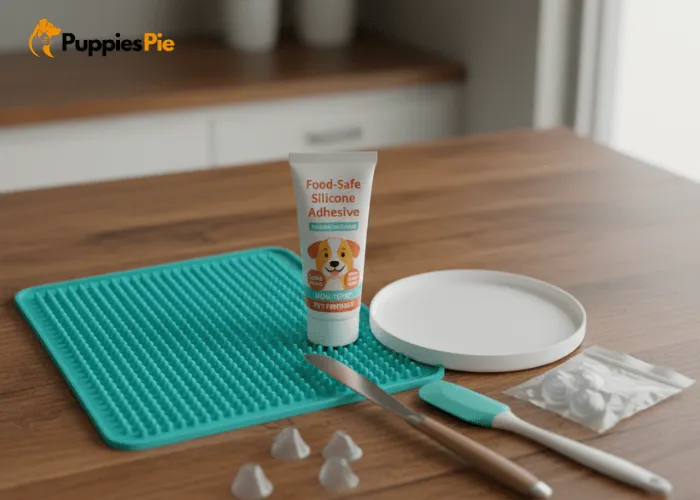
You’ll need:
1. One silicone trivet or plastic lid
2. Non-toxic, food-safe adhesive (if you’re adding textures)
3. Spatula or butter knife for spreading treats
Optional: suction cups, if you want it to stick to floors or walls
Step 2 – Add Texture
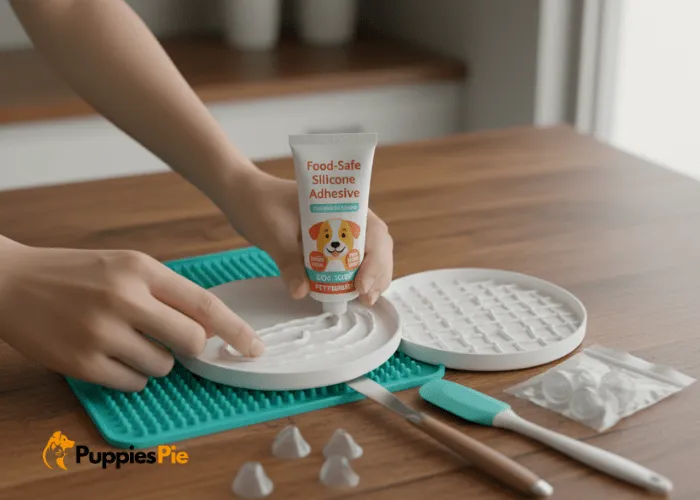
If your surface is flat, create patterns using food-safe glue or silicone strips. Draw wavy lines, circles, or grids. Let the glue dry fully before use. The texture makes your dog work harder and lick longer.
Step 3 – Test the Surface
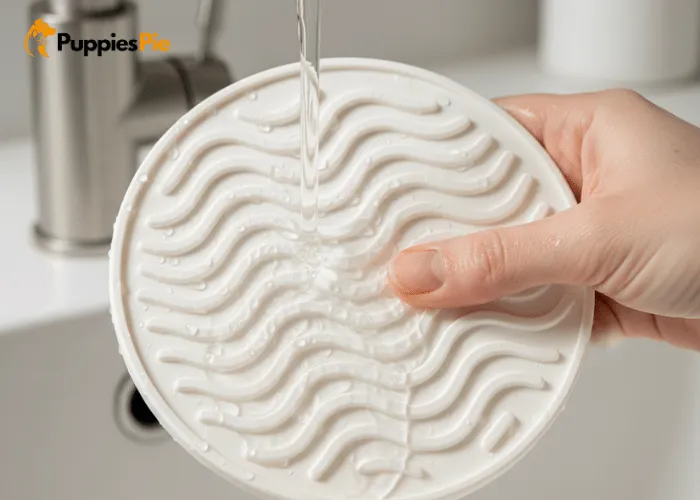
Before applying food, test the mat under warm water to ensure it’s secure and doesn’t flake or peel.
Step 4 – Spread the Treats
Use soft, spreadable foods like:
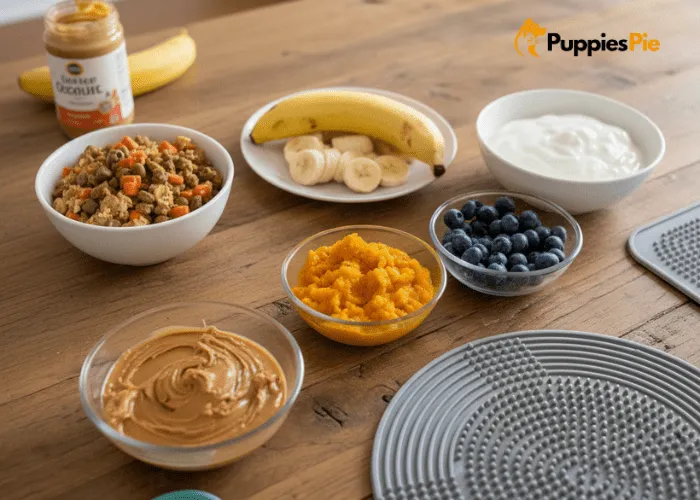
1. Peanut butter (xylitol-free)
2. Greek yogurt
3. Pumpkin puree
4. Mashed banana
5. Wet dog food
Spread a thin layer so it seeps into the textures but doesn’t make a mess.
Step 5 – Freeze for a Challenge
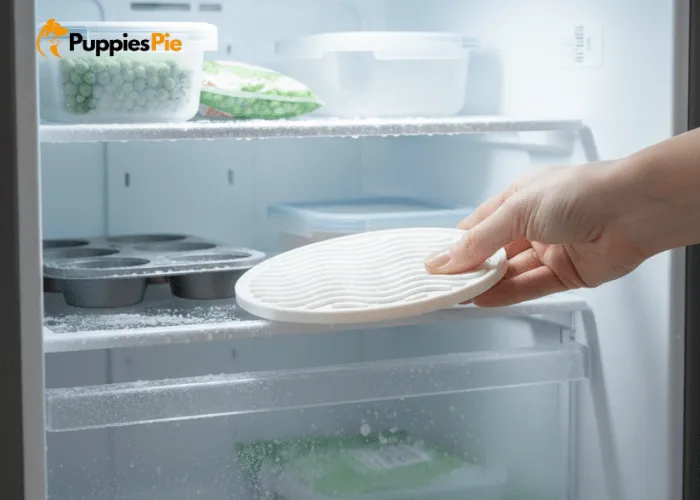
For extra fun, freeze the mat for 1–2 hours. This makes it last longer and provides cooling relief on hot days.
Step 6 – Supervise and Enjoy
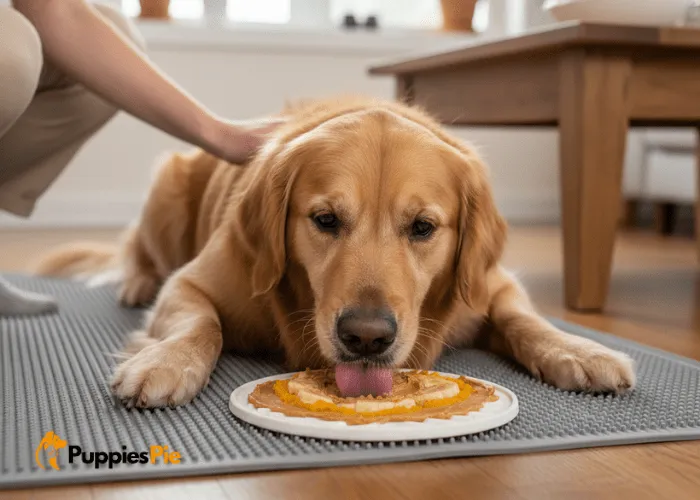
Place the mat on a non-slip surface and let your dog lick away. Always supervise to prevent chewing.
DIY Lick Mat Variations
One of the perks of making it yourself is variety. Different designs and setups keep your dog’s mind active and reduce boredom.
1. The Quick-Fix Mat
Spread peanut butter on the back of a silicone trivet. Ideal for calming your dog during nail trimming or bath time.
2. The Puzzle Tray
Use a muffin pan and fill each cup with a different spread, yogurt, pumpkin, or pureed berries. Freeze for variety and enrichment.
3. The Wall Licker
Attach suction cups to your homemade mat and stick it on a tile wall. Perfect for keeping your dog still during baths.
4. The Layered Challenge
Spread two or three layers of food. For example: peanut butter first, then a spoon of mashed banana, then a drizzle of yogurt. Dogs have to work through layers, stimulating both mind and tongue.
5. The Ice Cube Lick Mat
Pour a thin layer of broth over the food on your mat, then freeze. It turns into a cool and lasting treat on hot days.
Best Spreads and Toppings for Your Lick Mat
The beauty of lick mats lies in endless topping options. Just keep them safe and wholesome.
Safe, Dog-Friendly Bases:
1. Plain Greek yogurt
2. Pumpkin puree
3. Mashed sweet potato
4. Cottage cheese
5. Xylitol-free peanut butter
6. Tasty Add-ons for Texture:
7. Crushed dog biscuits
8. Shredded carrot or apple
9. Blueberries or banana slices
10. Tiny bits of boiled chicken
11. Dog-safe bone broth drizzles
Rotate ingredients to keep your dog interested and ensure balanced nutrition.
Cleaning and Maintaining Your Lick Mat
Keeping the mat clean is essential to prevent bacteria or mold growth.
Quick Cleaning Tips:
1. Rinse immediately after use with warm water.
2. Use a soft brush to get into grooves.
3. Avoid harsh soaps or bleach.
4. Air-dry completely before storage.
If you used a silicone base, it’s likely dishwasher safe, but always double-check. Regular cleaning extends your DIY mat’s life and keeps it safe for daily use.
Safety Tips to Keep in Mind
A homemade lick mat is only as safe as how you use it. Follow these rules:
Quick Cleaning Tips:
Always supervise. Never leave your dog alone with the mat. Some dogs might try to chew it.
Check materials. Avoid anything brittle or toxic. Silicone and BPA-free plastic are safest.
Size matters. The mat should be large enough that your dog can’t swallow it.
Watch for allergies. Introduce new foods slowly to avoid stomach upset.
Freeze smart. Don’t serve frozen treats to dogs with sensitive teeth or dental issues.
These small precautions help your dog enjoy the enrichment safely and happily.
Why Lick Mats Are Great for Mental Health
A lick mat isn’t just a distraction, it’s a form of mental enrichment. Dogs naturally enjoy repetitive licking because it releases calming hormones like endorphins and serotonin.
1. Using lick mats regularly can help with:
2. Reducing separation anxiety
3. Curbing destructive behavior
4. Encouraging self-soothing
5. Improving focus during stressful moments
It’s a simple activity that turns downtime into therapy time. For high-energy or anxious dogs, it can make a noticeable difference in behavior.
Common Mistakes to Avoid
1. Using sticky or sugary foods.
Too much sugar can cause stomach upset and dental issues. Stick to dog-safe ingredients.
2. Forgetting supervision.
Even well-trained dogs might try to chew the mat. Stay close the first few times.
3. Overfilling the grooves.
Too much food defeats the purpose. The goal is to encourage slow licking, not a messy feast.
4. Ignoring cleaning.
Leftover residue attracts bacteria and odor. Rinse after every session.
Storing Your DIY Lick Mat
When not in use, store your lick mat in a cool, dry place. If you’ve made multiple, stack them with parchment paper between each to prevent sticking.
If you use food-based textures, freezing your mats between uses helps extend freshness. Some dog owners even prepare a week’s worth at once, one for each day, and keep them frozen until needed.
Vet-Approved Insight: How Often to Use a Lick Mat
Veterinarians recommend using lick mats a few times per week as part of your dog’s enrichment routine.
Daily use is fine for most dogs if the ingredients are healthy and portions are small. Treat it like mental exercise, it keeps your dog stimulated, relaxed, and less likely to develop boredom-related behaviors.
For dogs with anxiety or high energy, daily sessions can help structure calm time and reinforce positive routines.
Conclusion
Making a lick mat at home is one of the easiest and most rewarding DIY projects for dog lovers. It saves money, uses safe materials, and provides endless mental enrichment. Plus, it gives your dog something satisfying to do that’s both fun and calming.
So grab a trivet, mix up some peanut butter and pumpkin, and watch your pup’s stress melt away with every lick. A few minutes of craft time equals hours of canine happiness, and that’s a trade worth making.